Category: Interview with experts

  • Interview with “Equilibrio Cambiante” (Marile)

    I came across this organization through social media, but I was able to set up a meeting with one of their lead psychologists to learn about the organization and its process, and it was very helpful. I got her consent to record the video and share it on my student blog. She gave me verbal consent, and you can see it in the video recording I am going to add; however, this interview or meeting took place in Spanish, so I will be taking notes in English on all the important points.

    • She is doing her master’s as well, and her undergrad research was in EDs, so she had to go through the process of making sure everything was done with informed consent and that she understood how it all worked. 
    • I asked her about the process in this investigation and where her interest in this specific subject matter came from; it started when she began her degree in psychology, which is also where her own therapy process began, and she also did her internships with this specific population. 
    • From a young age, she was always in judgment about diet culture as well as wellness and personal; she suffered a lot from fat phobia, and she started to learn about the terminology and the way that there is a direct correlation with ED’s and the behaviors that come with it, and the system of hormonal eating she wanted to learn more about it, and now she is working in helping people in their process through anorexia, bulimia, binge eating disorder, and in general people with a complex relationship with their body and food. (Clearly, she couldn’t talk to me about her specific clients because that would be an ethical breach of confidentiality, and everyone’s identity and experience should be kept private, so she works a lot with women who have suffered through any gender violence, and there is a connection between trauma and ED’s. She also works with people who have some neurodivergence and has seen it more in people who have autism, with the idea of selective foods and that behavior. Still, she is aware that there is a relation between ADHD and forgetting to eat, but also binge eating because they do not know how to read their own internal signals and are not aware of them, so there are times when they forget to eat, go to the restroom, drink water. (This was something I asked about because through my own journey in my treatment center in Spain I was told that there is a strong correlation between my ADHD and my Bulimia as well as the forgetting to eat and not feeling hungry and I was curious to see if this is a hypothesis that they had in Peru where she is working as well and she expresses how there are other ways in which she has seen it. )
    • There aren’t many treatment centers in Peru/Lima because Peru is very centralized around the capital, not other areas. The places that have these services have a lot of cases against them and even some that have been proven; testimonies that are public about violence in those spaces. She would not recommend any of these centers. While completing her degree, they tried to teach her that the treatment for eating disorders is very similar or should be treated differently. 
    • What they do is they are a psychotherapy treatment center, and they center around the context for the conduct of the eating disorder. This is therapy of acceptance and compromise, which works very well with ED’s and body image struggles, and this is a program where there is work with psychiatrists as well as nutrition; it is not just psychological treatment. The family also participates in the process, and there are barriers because at times the family does not want to participate. They don’t feel comfortable going to a psychologist who tells them they have to lose or gain weight; they need to control and manage with food, and it is challenging, but it is what they do, and they have good results and have only been working for one year. 
    • It is still a very closed subject that a lot of people still do not speak about, especially in Medellin. There are a lot of large misconceptions still around eating disorders, and the one she considers the biggest one is that people believe EDs are only about food and eating habits. They are so much deeper than this; in the end, some people have problems with cognition and identity: who am I if I don’t have an eating disorder? Parents sometimes have ideas when they are told that their child is sick that there is no eating disorder because their child eats. Another is that, in their household, they only eat healthy foods (Orthorexia). With some of her friends, she feels that she has disordered eating because she does not fit into any of the boxes, and they say that she eats. They don’t see her as anxious, and it is not necessarily something to do with her size and body; if there is no extreme thinness or the word that she does not like to use, obesity, they are not taken seriously. There are a lot of professionals who think that the only thing that determines if someone has an ED is their BMI, when this has been proven to be false, but this was not even created to measure weight. Still, because someone in statistics developed it and it wasn’t adapted to Latin America, it was only measured in white European men. 
    • She thinks fat phobia comes from racism because a straight-sized white European body is thinner. Still, the enslaved people who came from Africa who got to Latin America had a different body, and this comes from racism and also capitalism and the idea that when we are going into recession there needs to be more simple clothing, such as only sizes. I am going to charge you more when you have a larger body because I have to justify my form of production. Now, with Ozempic and GLP-1s, different doctors are saying that, in the name of health, which is not true, they need to lose weight when investigations are saying that Ozempic and their similar medicines can lead to cancer, but you are not told this. Bariatric surgery and becoming anemic, as well as being people who have higher rates of suicide because they don’t find themselves when they see each other in the mirror; the process of adaptation of your hair falling out and broken nails, and it is romanticized as something you have to go through to drive at looking beautiful and being pretty. 
    • Social understanding and learning are important for conversations about how we relate to bodies, and how young girls are told to tuck in their stomachs and behave around food. Double moral of don’t leave the plate empty because then there is shame around the kids in Africa not having anything to eat, but also the pretty girls are thin. They have to be quiet and pretty, and from a young age there is a double standard of seeing parents and mothers who are always on a diet, also the ones that serve the food but don’t eat, men saying that you have to be thin or no one is going to like you, social media saying that the fat friend who is nice or funny, and the thing girls are the only ones who can have a successful partner. They are doing the fat girls a favor when they are with a cute man. In her own household, there was a lot of fat phobia, and when she was around 11 years old, for her Christmas present she got a subscription to the gym, sports clothing, and at that time she would have loved anything else. The age at which people go through different trends or behaviors around eating habits in Peru has been going down;  now children as young as 11 are affected. Sometimes it is about being thin, or there is a lot of pressure because their bodies are growing and changing. There is discrimination based on gender, as well as homophobia and sexism. Some of the insults include: you look like a boy, you are probably a lesbian because you have small boobs. 
    • I asked her specifically about using design in my project and what she thinks I should do, since I don’t want it to be only my experience. She said first it is about trying to sensitize, and how she was at other centers and did content about psychology surrounding the ED’s. There were a lot of teenagers saying what this is, showing it to their friends, and thinking about who I want to reach because the signals of risk can be seen beforehand, and making people conscious about what it could look like: a commercial campaign and asking questions about what you have felt. A small checklist about if you should ask about getting psychologists help and getting some testimonies and seeing different ones not making it sad and saying how it evolved and how it had different consequences and maybe having a guide for people who are surrounding people with Eds for example a family member, friends, partners and teachers just the people that are around them for them to know how to act and understand instead of judge. 
    • She has been in a process with someone whose partner has an ED, and instead of asking them to get better, try different foods, and try to get better, she asks herself whether this person is willing to accept this. There is not a lot of consciousness around ED; we take it in a very personal way and take it as if they are trying to change something about their body specifically, without knowing what the limits of the help are. She has around 7 clients that she is helping out, and she works with one other psychologist that sees more cases of bulimia and anorexia, and she is more involved with bulimia and binge eating. 
    • There is a lot of pain because, for there to be complete recovery, there needs to be a lot of luck in finding the right treatment, but apart from there not being a lot of services, there is also the fact that there has to be enough money. She thinks that there is the possibility for recovery even though there are some people who say you can never get fully recovered she thinks it is because maybe they have not received the appropriate treatment and the help they need because in the university she had a teacher who taught this and according to her you can never be cured but she thinks this is a myth because this is something that is different to everyone in therapy treatments and not all Eds are the same she says that this does not mean that you will not get the thought that you dont like the way you look but this are thoughts that will show up but recovery is knowing what you want for yourself and what you want in your life and getting close and what is valuable in order to continue and it is similar to suicidal thoughts or tendencies is that there are going to be moments in your life when the idea will show up but the being able to indentify it and not act on it is recovery especially considering that society is still going to be fat phobic and but large pressure on diets and the systems that predate them and that this are systems of oppression and that we can name them but we can’t get out of them but we can sensibility and educate as well as fight against it and being destructive and this is why eating disorders are suggested to look at very different processes and looking at different versions of it. This gives you flexibility to work creatively and think outside the box, and this is very important. 
    • Personally, she feels a lot of pain when someone is interested in being part of the process, but doesn’t have a support system and can’t pay for the entire process. She would like to have thousands of processes at a health care price. It is important to recognize that professionals also get tiered. They can burn out and spend a lot of energy pushing against the structural barriers a person may face. She stopped seeing young adults, and the ED was a part of intra-familial violence. To cover her treatment every week, she sold clothing and desserts with her mother, which shows compromise, and the commitment that all patients have toward the process is important to consider. They decide to get better, and it is difficult because they are getting uncomfortable and going against the voice in their brain and the pattern they are used to. 
    • I verified one last time if it was okay that I added these notes to my blog, and she said it was okay; whatever I needed.
      • One thing that made me think a lot was the fact that I am myself in treatment, and I have never had to worry about how I am paying for it and the effects it might have on my household. Still, it made me think about the impotence that a family member or a parent might have, knowing that this is something that is going on and that they might not have the means to help their family member, and what to do in that respect, as well as a person who wants to get better because this is not something that health insurance covers in most cases and apart from that there are very few people who are equipped to help other so I was thinking about this and how maybe it is even important to have less of a stigma around all of mental health because this is part of the problem as well. 
  • Meeting with Sabrina Strings

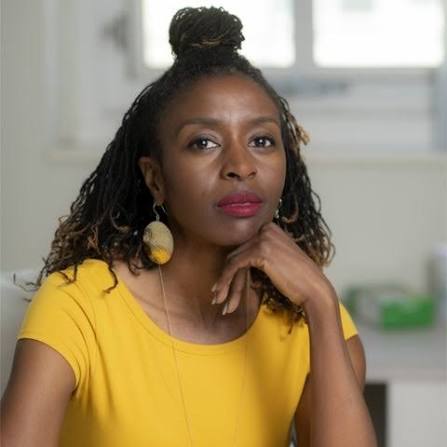
    I met up with the doctor, Sabrina Strings, for a short meeting. She gave me really good feedback on what I am doing. I also asked if it was okay to write notes about our conversation in my student blog, which my professors, tutors, and classmates can see. I came across her work through manying with Zuelinka, who told me to look at her through other experts, including Osborne and psychologists in South America. 

    The first thing I asked her about was methodology, and she told me to start with Colombia and not focus on all of South and Latin America because it’s too broad a subject. She said her work was obvious because it started with what people considered desirable at different sizes. Then you had to be thin, so she thinks that’s why she started where she did, but she thought it would be harder across all of Latin America, so she decided to start where she is. 

    I explained to her that there are a lot of different places it came from in Colombia. The first one was the economy in Medellín, which was based on the textile industry. One hypothesis is that because textiles were the largest industry, that’s where the economy developed. Secondly, there is Narco trafficking and the idea of what a woman has to look like and what she has to do to fit into society, and this led to a lot of the problems that we have today, with a very large amount of plastic surgery in the city. There are a lot of different contexts because, in some of them, being of a larger size is good because it means you have money to buy food and that you are not hungry, so in that context being thin is considered poor, but this is in communities of lower socioeconomic background; however, when it comes to people who come from a higher socioeconomic background, being thinner is the ideal, and we see this through the use of GLP1s and extreme diets and exercise. (maybe it is because they are less focused on surviving?) 

    She told me that, after hearing this, there are a lot of places I could go with this, with different research opportunities. Instead of trying to connect all of them, she is suggesting I look at each as a separate project; they are different projects, and I shouldn’t worry about everything at once. This means that in my career, I have a lot to do, and she says I should start with the one that is most interesting or important to me right now. I said I am torn between the one on textiles and the one on lower socioeconomic backgrounds vs. higher socioeconomic backgrounds at the time; however, that might change, and I need to sit down and think about my options. 

    I explained to her that I’ve been having a hard time speaking to people and getting them to speak to me, so I have been trying all of them and seeing which one I can actually make happen. She said I shouldn’t leave one idea behind or the one I actually want to work on because I might not be able to access it, and I should really think about what I want to do. (But what if this is not what my stakeholders or my project needs)

    Am I doing what I am doing because it is what really matters and what I want to achieve, or am I just doing it because it is where I am finding the information? She said one downside of her research is that it makes people uncomfortable; for example, she was part of a conference that discussed weight loss as a health endeavor. This is not something a lot of people want to hear. 

    People are sometimes confused that when you try to send a message, it means you are completely opposed to the other one. She told me that her grandmother was part of the Great Migration of Black people and moved from Atlanta, Georgia, to Los Angeles, California. She was suddenly living around a community of people who were light and wanted to be as small as possible, and this was a subject that interested her for the rest of her life until she died in 2000 because this was not something that she ever experienced in the South and the Depression, and this was not a concern at that time. In the South, there are more curvaceous figures in the USA than in the rest of the country. She started out by just thinking that this was weird. On one hand, we are supposed to be feminist and doing everything, but you have to be a certain size, and it made people uncomfortable because she was challenging a lot of assumptions. She told me that it wasn’t until 2019 that people started responding to her research differently.

    She also talks about how a lot of times she is challenging direct pockets because there is money in products for weight loss, for example, pharmaceutical companies. Her current research is that sometimes being on a GLP-1 helps with other illnesses, but other times it causes more illnesses; saying they are healthy is misleading; it depends. 

    A marker for lack of representation started at the end of the pandemic: Ozempic was approved for weight loss, and this changed a lot, and everyone was in a moment where there was more size embrace. Everyone talks about the fact that the cash price for Ozempic in the USA without insurance is 1000 dollars, but this isn’t something everyone can pay; insurance is 25 dollars, and if you are not on the BMI threshold, you won’t get it through insurance. BMI is a problem altogether, and semaglutide companies are accountable for this; however, you could have anorexia and get access to semaglutide because you need the cash. In Colombia, you do not even need a prescription. It’s a lifelong commitment; you are dependent on it for the rest of your life. This is something she thinks I should look like in Colombia because of the hyper obsession with bodies and also looking at social media because it has everything good and bad. One thing to look at is biohacking for wealthy people and figuring out what they should be doing: bio-filtered chemicals to ingest and tracking performance through an Oura ring—an industry on optimization. 

    The final feedback she gave me was not to feel discouraged when I hit a roadblock; think of them as different projects, not all together, and everything leads to something else; just keep going when I hit the hard times. 

  • El Cuerpo que somos Meeting 1

    This is an organization that I really admire and have already spoken about. Still, I was having a hard time getting in contact with them which lead me to see the fact on their social media that they were going to be having a master class on the fear of gaining weight or getting fat. I decided to attend to learn and see if I could get my foot in the door.

    • They spoke about how paralyzing this fear is and how it can affect your day-to-day life. (This is a fear that at times can shut you out from everyday activities as well as responsibilities, and it also causes you to lose friendships and have further problems down the road because of this fear).
    • The team is led by three people: Maria Elvira, Lili, and Vero, and they have other support since they have one-on-one psychology sessions. Lili had her own experience with an eating disorder, while the other founders suffered from dissatisfaction but not necessarily symptoms. 
    • This movement or organization was born 10 years ago; it offers psychotherapy and body-image support and fights the battles people face in everyday life around food and their bodies. 
    • One of their main points is that diet culture and aesthetics are major problems, and that Colombia, like the rest of the world, has a strong beauty industry. 
    • They aren’t just offering treatment or making it available. They also want the organization to have a social movement, which is why they don’t only have a website and social media. They also have podcasts and many other resources to raise awareness. They speak about the fact that, as humans, we always have a survival mechanism, and because of this, we are always looking to fit in in two ways, specifically mentally and physically, especially when it comes to health (Which I think is where a lot of stigmas come from, not just because of body shape and some people thinking one body is healthier than the other, but because there is the example of people not wanting to go to a psychologist or psychiatrist because they always want to project that everything is perfect and that there are no problems)
    • One very large misconception which they have faced in their community is the fact that people think that if people lose the fear of being fat, then it means permission to become fat or that this is how they do it, but this is not the case (I think that this leads to a lot of people not looking for help from them because this is an assumption that is had, and I am not going to lie, it is one I had myself when I entered treatment)
    • The idea they are trying to accomplish is for people to be less hypervigilant about their bodies and to be able to live freely and in peace. 
    • The fear of gaining weight is learned and almost always inherited but they believe it is everyones journey to to decide wether they are going to keep acting on this fear or if they are going to change it:
      • Rejection
      • Only the mother loves them (A los gordigtos solo los quire la mama)(This is a very common saying in Colombia)
      • Not being beautiful
      • losing value as a woman
      • being seen as fat
      • being told that I stopped taking care of myself
      • feeling uncomfortable with our own body
      • not seeing myself well in the mirror
      • that people will stop loving you
      • not being attractive
    • These are just some of the beliefs that came up in the meeting and that they presented in the workshop, which a lot of people attending agreed with.

    One of the exercises they made us do was to realize how subjective the word fat ” is and what it looks like, starting with asking us what we considered tall and writing it in the group chat. People had very different answers, which I found interesting, and it made me think about what everyone’s beliefs might be. There are normally associations that come with this word, and these are some of the ones that were mentioned:

    • Lazy
    • They don’t have willpower.
    • They don’t take care of themselves.
    • They don’t love or care about themselves.
    • They have emotional struggles.
    • They are not attractive.
    • There is no such thing as a person who is fat and happy.

    This leads them to ask participants a couple of questions: Why can’t we be fat? Why don’t we allow it to ourselves? These beliefs are most common in Guatemala and Colombia because people immediately ask why they don’t eat less and take better care of themselves. 

    • As an organization, they mentor one-on-one and offer group therapy, also exploring each participant’s beliefs about fatness and how it’s built, not real, and how people read themselves. (One of the main tips they give is not to allow the noise, or at least not to perpetuate it, so don’t ask so many opinions specifically about your appearance)
      • The idea that being fat is inherently associated with rejection is something we have learned as a society, and that we continue to grow; this can also be considered a protection mechanism)
      • There are a lot of ways in which we see it in our everyday lifestyle; for example, when our parents start speaking about our fat friend and how they have a pretty face, but what a pity that they are fat. Why aren’t their parents doing anything about it? It’s so sad that she got fat. 
      • “No me veo como estoy; siempre me falta un centavo para el peso.” No matter how well I am doing, it is never enough. I am always missing the quarter to get to the dollar. It is never enough, and this is what leads to illness because you start thinking okay 1 more pound, and this leads to a very scary pattern. 
      • Who wants to be fat when our elders have told us our entire lives that being fat is a fate worse than death? (People stop living because they start to think they will do something when they lose a little more weight, for example, going on a trip or wearing an outfit) – Maybe I could create an artifact where I have people interact about what they have stopped doing because of their fear of how their body looks. 
      • One of the main things we have to start doing is using the word fat, because if we do, then we take away its power. You have to ask yourself several questions, such as what it means to me to be fat, and recognize the perspective in my brain as well as the one I have to challenge. One of the main things that they asked us to challenge was when it will actually be enough. (I can personally think about this because I will finally buy a certain outfit when I get down to a certain size, or many more situations to look at, because I limit myself based on how my body looks and feels, and from my experience speaking to people, this is something many people live with). 
      • They spoke about when they started to lose weight. It still wasn’t good enough; the problems or insecurities they had were going to stay, even if they lost the weight they thought would make them happy. There is also a lot of praise around it because everyone asks you what you did to look the way you look now; what is next? If you praise one type of change in the body, why not the other? 

    We use the body as a form of control. For example, there is a saying in Colombia or Latin America: when you do not like someone, “Ese me cae gordo.” There is no direct translation in English, but it basically means, “I can’t stand her/him,” using the word fat. There is also the fact that we are now living in a world where everything is so easy to get for example, food- as well as losing weight, because we now have medicine or products that do it for you. There is an oversell or exposure to this, whether it works or not; for example, there was a time when this was tapeworms, smoking, or heroin; now it is any GLP1s.

    The mental illnesses of eating disorders are very hard to explain when it is not something you live; it is abnormal for people who have seen this, but it is important to find some support to not feel alone in these experiences.

    • Some of how this is all seen are how there is always body checking whenever a person is walking past a mirror or window they see their body as well as always being hyper vigilant towards the body, you are always comparing yourself to others (this is the main issue I feel like because I think that if we just all saw out bodies for what they were and not thinking of it as something we have to adapt part of the problem would be solved), because of this pressures and the feelings that come from it there are moments where we make wrong decisions such as lying about what we are eating or making ourselves feel a different way in out own experiences.
      • Bingeing, not eating (restriction), purging, excessive exercise, GLP1s, wearing thin clothing, and not wanting to get ready because I don’t want to be seen, making myself invisible, avoiding activities to hide from the fear, and this makes it even bigger. 
    • We always see different comments being made, and this has a tremendous effect on the people receiving them, especially when they are young and very sensitive. There is a sanitization of the word fat; however, when we look at its counterpart, fat and ugly, they are always being looked at as thin and pretty. They are respected and seen as something they must achieve, and it becomes a way to make sure you aren’t disappointing anyone by staying extremely thin. 

    These are fears we have constructed ourselves and the societies we live in; however, we need to start seeing how we can change this and view it differently. For example, think about the fact that people who truly love us will never place conditions on how we look or take away their love, not if it’s an actual connection. 

    They recommend five strategies to handle this fear better.

    • Keep exploring where this fear comes from
    • Identify the actions or behaviors that we do.
      • It is not about trying to stop the fear because it is never going to disappear; it’s about gradually exposing yourself to the things you are scared of. 
    • Take action and do the opposite of what the fear is telling you to do, especially if the fear isn’t a big deal, because sometimes we get the opposite reaction. (We try to restrict to control and lose weight but end up having binges, which in turn leads to weight gain, even if you have compensatory strategies)
    • Be consistent (therapy and doing what you said you were going to do)
    • Build a critical identity around diet culture. 

    There has to be a focus on the body not just aesthetically and about how it looks, but actually about what it can do, because there is no use in being extremely thin and malnourished and not being able to have children or walk around because your body has gotten to that level of illness, so it is also important to look at it from this perspective. 

    • Try to avoid body checking; don’t always look at yourself in the mirror or in a window.
    • When this fear comes up, admit it, sit with it, and talk it through in therapy or by writing it down so you can work through it, consider options, and ask questions about the fear. 

    Going to this workshop was an incredible and enlightening experience because I signed up for the program, which includes weekly follow-ups and a support group with different women. This will not only help me with my project and the knowledge I need to gather. Still, it will also help me with my own process because I have been struggling recentley since I associate stress with food wether that is over eating or under eating. It leads to very problematic behaviors, which I need to nip in the bud so that I can continue living a healthy life and not live in constant fear that I will need further treatment than the one I am already in. I think that this is very helpful because, from my own expeiences nd what I have found from my research, people around you are always telling you to stop compensatory behaviors nd tell you to stop however they do not find ways of helping you and seeing how you can get further help and move forward which is why I found this experience so enriching. 

  • Meeting with “Colorfoodnutri”

    https://www.instagram.com/colorfoodnutri

    This meeting happened today when I was creating my own Instagram account and came across hers. Her name is Paola, and she is originally from Nicaragua, where she practices. She is a nutritionist who specializes in ED; she started as a classical nutritionist, but she began making changes because she saw how manyw many people suffer from diet-related problems. After all, they felt they weren’t losing weight the way they wanted, which frustrated her. She also realized something very common among nutritionists: their body is their presentation card. They need to look thin to be able to get patients, and this led to her having some risky behavior around foods and to different effects, which I think is very important to look at because even though this was painful and not great, it made her have to change in some way, which was to look at intuitive eating differently. She faced a lot of struggles when she started with her community because, even though she is from Guatemala and she was trying to get patients there when she started working, specifically around the focus on eating disorders and intuitive eating, most of her patients stopped going to her.

    Most of her new clientele was from other countries because they didn’t feel it was okay to go to a nutritionist who was only an expert in making you lose weight. When she said this it really made me think because it my house there has always been this saying from my parents and grandparents that you do not go to a fat nutritionist because that means they are not doing things correctly but know that I have been studying this process I realize that this is a horrible assumption to have because as I have been learning and as should be known being fat or of a larger size does not mean that you are in any way unhealthy or that they suffer from anything in correlation with this which leads me to think about how important it is to fight this because the idea that you are not healthy unless you look a certain way is not just wrong but I would say it is dangerous. She also spoke a lot about the fact that on her page she does not just post about EDs because she feels that there are a lot of people suffering with their body image and eating habits and have normalized it to the point that they do not realize they are sick and work perfectly. So she wants people to look for her not just when they are sick, but at the issue as a whole to have the biggest impact possible. At the end of our conversation, I asked her what the biggest barrier or issue was about my project, where I want to incorporate some design, and what thoughts she had. She told me that, the references we have it is important to have corporal diversity with people when they are looking for clothing and how they want to feel with their bodies the ideas that they have are of thin people there is a lot more diversity now but this is something that actually makes people feel as if they have permission to feel good about their body it is not just thinking that they are the only ones that have that specific body type which is essential. When people go to stores, they find sizes from L to XL. Still, clothing sizes aren’t consistent, and that has a large connection to body dysmorphia because how is there not going to be body dysmorphia in the world when I am different sizes in different stores. Make sure clothing is accessible, and there are a lot of stores that don’t have a wide range. After the conversation, she told me that if I ever needed more support, I could reach out to her again, and she really appreciated that I spoke to her. 

    After analyzing everything I saw in this conversation, I realized there is a major issue with sizing, and it is not just because of this specific conversation, but because people put a lot of emphasis on it. For example, a lot of times people don’t look at what size they actually are. Still, they buy based on what size they want to be, so they buy the jeans or the shirt that might be tight, thinking they are going to lose weight, and I am fully honest: this is something I did as well because I thought this was the only way I would be loved. I also see her point on the standardization of sizes because why are there such different sizes at different stores? Why does not everyone follow the same measurements? However, I understand this as well because a brand has its identity, so it is important to make sure that identity is inclusive. 

  • Responce Naomi Crowson

    Naomi Crowson is a Trainee Health Psychologist for First Steps ED. This is an organization that focuses on helping people with all kinds of eating struggles of many different ages, with different team members including psychologists as well as psychiatrists. This organization started in 2004 and has helped many people through their process over the years. I was able to contact her because I was looking at all of the work from the years they had been doing it, this is an organization which is in England and with contacting the organization directly I got put into contact with Naomi however she was not able to have a conversation through a meeting but told me that I emailed her a couple of questions she would be happy to respond. I really appreciated this because she took the time to respond, which a lot of people have not. These were the questions that I sent over:

    1. What do you see or think are the most common misconceptions people have around eating disorders? How do you think this affects the type of treatment they have access to?
    2. What is the difference for you between a person who is battling an Eating Disorder and a person who is suffering severely with their body image, or do you consider them equal? 
    3. How much of the issues surrounding this subject matter come from social media and the outside culture, and how much do you think comes from your family’s beliefs and the place where you have lived?

    These were her answers:

    1. “There are still misconceptions in terms of who can have an eating disorder. This stereotypical view is that eating disorders only affect white women and girls, but we know that eating disorders affect anyone of any age, gender or background. Boys and men and those from ethnic minority backgrounds may be less likely to come forward for treatment. Misconceptions around ARFID in particular are what we see a lot at the moment. People consider ARFID as ‘picky eating’ when it is much more than that. Again, if people downplay ARFID, then there might be a reluctance to come forward for treatment and support.”
    2. “I’m unsure what you exactly mean by this question, but anyone who is struggling with an eating disorder, disordered eating or body image difficulties is worthy of support.”
    3. “Within the research, it states that eating disorders are not the result of one causal factor. Instead, they are believed to be a result of interconnecting biopsychosocial factors. It is hard to answer this question in terms of how much each factor contributes because it could be a combination of these things. Social factors like social media and family/home life can have a big influence. “

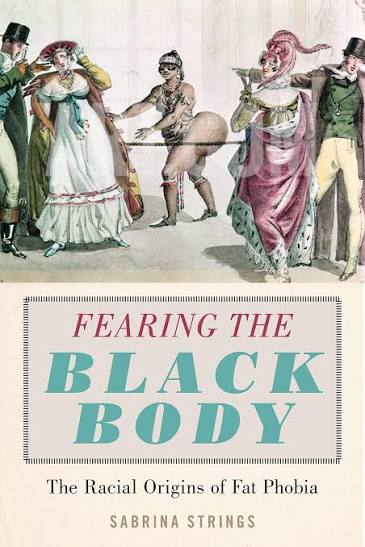
    By looking at her answers, I can look at a lot of different perspectives; for example, her wander to the first question about how there is this thought that eating disorders only affect a certain group. I think this is something that directly connects to some of the research that I have done for fearing the black body and the way that there is this constant discrimination in the body when it comes to people of color; there is also this subject of maybe talking about how things are different, and experiences are different. It is important to seek to understand those around us and not look at it through a lens of judgment. Another thing I found interesting was her talk about ARFID (Avoidant/Restrictive Food Intake Disorder), and I question where the line is between being picky and having a problem. Someone actually has a problem with disordered eating because something I have been thinking about lately is the fact that all eating disorders are very strange disorders. After all, some of them can be hidden. People will never know because with eating disorders there is a lot of judgment when it comes to the body, and people are saying, ” Oh, she is too thin; she must be sick. Still, the reality is that we do not know because some bodies are slimmer than others naturally, so this cannot be a direct judgment; however, when it comes to people who are struggling with disorders such as Binge eating, the same thing comes into play: how do you judge that or discover that? A really big issue is that I believe people are too comfortable throwing around a diagnosis they think someone has because they are getting slimmer or thicker. The reality is that it is a very hard diagnosis for even doctors to make, so why are we letting random people off the street come in and talk about this? I think there needs to be clearer boundaries about what opinions people give and the way they talk specifically about other people’s bodies and their own as well. 

    When it comes to the second question, I completely agree with the fact that anyone who is struggling needs help; however, I believe there is a difference between someone who, at times, is not completely comfortable with their body and someone who is going through a mental illness. Still, I completely agree that both need to be looked at at the root cause. 

    In the third question, she is completely correct that it is a hard question to answer because everyone’s journey is different, and people have very different stories. It is important to look at all of them and better understand each person in their own journey, because they should not all be put in a specific box or denied the chance to tell their own story just because one is already being told for them. 

  • Interview “Fundación Nuevo Rumbo”

    During the last couple of weeks, I have really tried to reach out to different organizations that help with eating disorders and body image, specifically in Latin America, which I want to be my main focus of study. I was able to get in contact with this organization in Argentina called the “Fundación Nuevo Rumbo.” They were very quick to respond. I did not have time to obtain written consent, but I received verbal consent from Mauro, the person I spoke with, about using what they explained in our conversation for my blog. I am still in contact with them and plan to have a more formal conversation. The first thing that he explained to me is that this is not necessarily an eating disorder clinic. Still, it is a rehab center for different kinds of addiction; this includes alcohol and drugs, but they also treat people who have problems with food on a lot of sides of the spectrum. Something I have noticed is that a lot of places, specifically in Latin America, have this included in their form of eating disorders as addictions. They are treated the same way in centers such as this, which I find a hard approach because everyone is treated the same or lumped together when their issues might be very unique. I think this is a gap in Latin America, since many countries use the same system, and in Europe there are more specialized clinics. One of the most important things that he talks about is that they are not an organization that does outreach; they are a treatment center. They start by giving patients a structured program, which means they have specific hours when they are expected to eat, as well as the type of food, to help them decentralize and do it themselves; they take away that choice to give them more order. Then they start to integrate different forms of motivation to get them to want to get better and improve their health. Secondly, they want the family to be involved and to be part of the motivation for them to get better because they are trying, through different forms of therapy, to get the people who are part of their program involved; there is a lot of family therapy. They are instrumental to the recovery of the individual. Later on, after they have taken part in the program with different professionals such as psychodrama treatments, psychiatrists, therapists, and many more experts in the field to try to deal with the root of the issue, which is their goal, what they do is that they take the steps to reintegrate them into regular society. What they want to do through this entire process is to get to the root of the limiting thoughts that cause addictive behaviors in whatever shape or form they come in. They also look a lot at the issues surrounding social stigma because people feel very embarrassed that they have issues such as this one and that they do not know how to handle them. After all, their entire lives they have been told that they need to keep it together and that nobody can find out. One of the other things I asked them about is the difficulties that they face as an organization. They are a private foundation, which means that they run as a business; they do not get any funding from the state. They find that the greatest difficulty they have is paperwork and bureaucracy because sometimes people need treatment and at that exact moment, not later on. Bureaucracy gets in the way and makes things take longer than they should, but this is a greater issue. 

  • Interview Tigress Osborn

    Last week I had the privilege to speak to the activist Tigress Osborn, she is the current director of NAAFA (National Association to fat acceptance) in the United States and is a known fat activist. I had a very interesting 30 minute conversation with her and got her consent to record the conversation so I was able to make much better notes after we completed our conversation.

    • The Organization of NAAFA has done a lot of great things for people over the years since its founding in 1969 and the reason for its founding was because the founders wife was considered a fat women and suffer from severe criticism and her husband got so upset he decided to do something about it and his reaction was to create this organization. “It has been a comfort to people, a source of education, a source of confidence, but also a space for advocacy and political activism fighting size discrimination”.

    She started to be involved in the organization when she was 18 and there were local chapters even if they are not in place today in Boston where she went to school and she took part in a workshop for fat women even though she was not fat at that point but that was her identity and her families having been a bigger teenager and looking different to what fashion magazines told her she was supposed to look like and she knew from her family history that being fat was going to be a part of her future. After this she was not involved for many years but being aware that there is an organization out there which spoke out to fat people and it made her question a lot about weight loss and diet and think about if it was okay to be fat or not. She also talked about the context of the time she was a teenager having Richard Simmons on TV and Americas biggest looser which really impacted body culture and the relationship to it.

    After a while she moved to Oakland, California and she created a nighttime event which was a plus size club event and it was a hip hop party which was centered around women of color and fat women which lead to fashion events and an interesting thing about Oakland is that there is a multigenerational community of movement having to do with marginalized bodies. The way that she got involved with NAAFA was the creation of the fashion show and this is how she got her foot back in the door which lead to her becoming a member of the board and now she is the director.

    One of the main questions I had for her was what the appropriate vocabulary was when talking about bodies fro her perspective since she has worked with people from different body sizes, what she recommended is that one should really follow the person one is speaking too lead or asking them directly because people have very strong opinions about the word fat but another one which I thought was more neutral but clearly I was wrong are the words overweight and obesity. There are more neutral ones but each one comes with its own issues such as plus size, higher weight and larger bodied however plus size feels very gendered to a lot of people as being a female expression and it is also a stigma because there is normal and then there is plus size another one that could be used is straight size however it is not really known and mostly used in the fashion industry and no were else. For thin people she normally just says thin or people in a normative body because even if you feel negatively about your body you might have a body with is accepted by society, however there is also the pathologizing of fat bodies and giving them all the same medical designation when talking about over weight and obese and it is not just a description of the body. Fat activists are opposing to the idea of obesity being a disease because they feel they should not be called sick if they are not really sick and then used as ana example in order to sell and prescribe things as well as having lies being spread about them.

    She spoke about the fact that it is a civil organization and even if being fat causes every single problem on the world there is no reliable way of changing somebodies body and even if I have a disease I still have rights and deserve to have a safe work environment, being paid fairly, accommodation and for space to be made for them. They also question if it is a true medical condition? However there are a lot of people who were traumatized with the word fat and feel as if obesity is the first time that they are told that being fat is not their fault and why is this even a question there should not be any fault when it comes to this. What they are arguing is that fat should be used in a neutral word and just be used as a word for description such as having brown hair. Fat activist will always use the word fat because they are a part of the fat liberation movement.

    there was one example she spoke about where there was an organization that wanted to collaborate with them but these people in the meeting did not feel comfortable speaking or saying the word fat and it is hard for them to understand that it is not possible to distigmatize a word that you are not even able to say, this is also a problem when it comes to journalists in the way that when they call her a fat activist they put in quotations next to it that this is how she prepares to be referred to and this is important and also interesting because why should this be explained.

    Another example she spoke about was the fact that when her nephew was little she did her best to have the word be neutral and there was a Santa apron and she asked her nephew who should wear it and he said that it should be Tigress because she is fat and so is Santa and she stayed calm and choose to accept that and then find a way to explain to him that other people might feel bad from him sayin that because there is trauma around the word and at times it is almost like a type of slur.

    I also asked her about the relationship between fat phobia and eating disorders and she explained that there is a tremendous connection and we have to understand that eating disorders are very complicated and they should not be looked at as it only there being eating disorders because we live in a world that is anti fat, what is really interesting is the fact that when someone is overweight if they have behaviors that would be considered eating disorders in people who were thin and they are told that they can figure it out later when they have lost the weight.

    She gave me the advice that I really need tomato sure that I analyze and think about the assumption I might have when speaking to people as well as assessing what their assumptions might be trying to look at some blind spots and look at areas of study from different perspectives.