Blog

  • “Dorotheum” Magazine

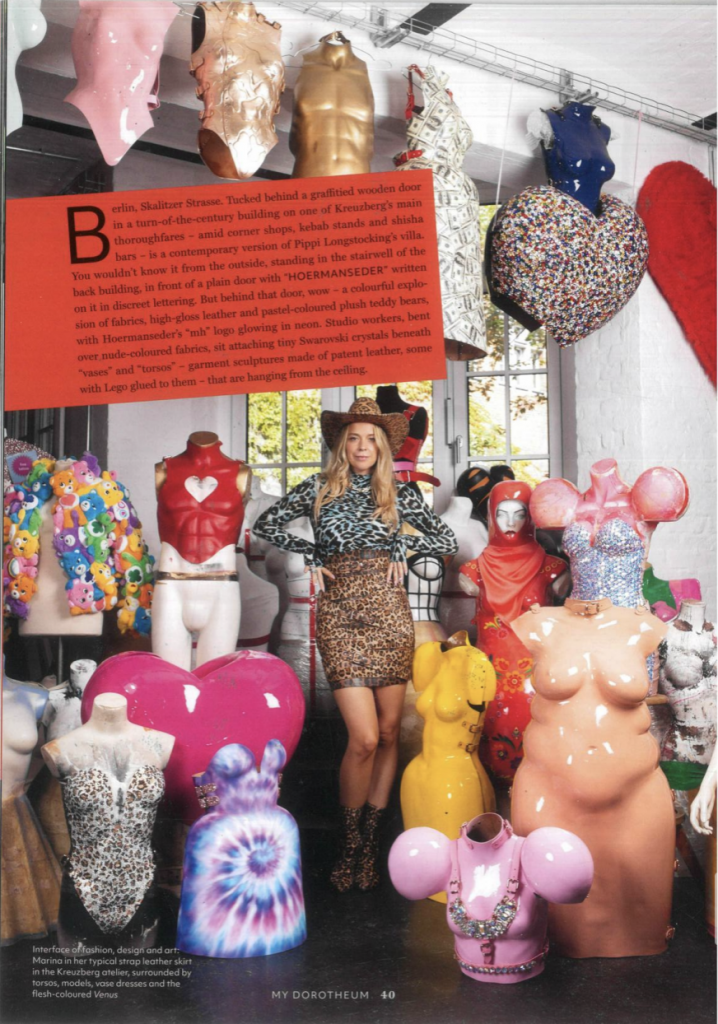
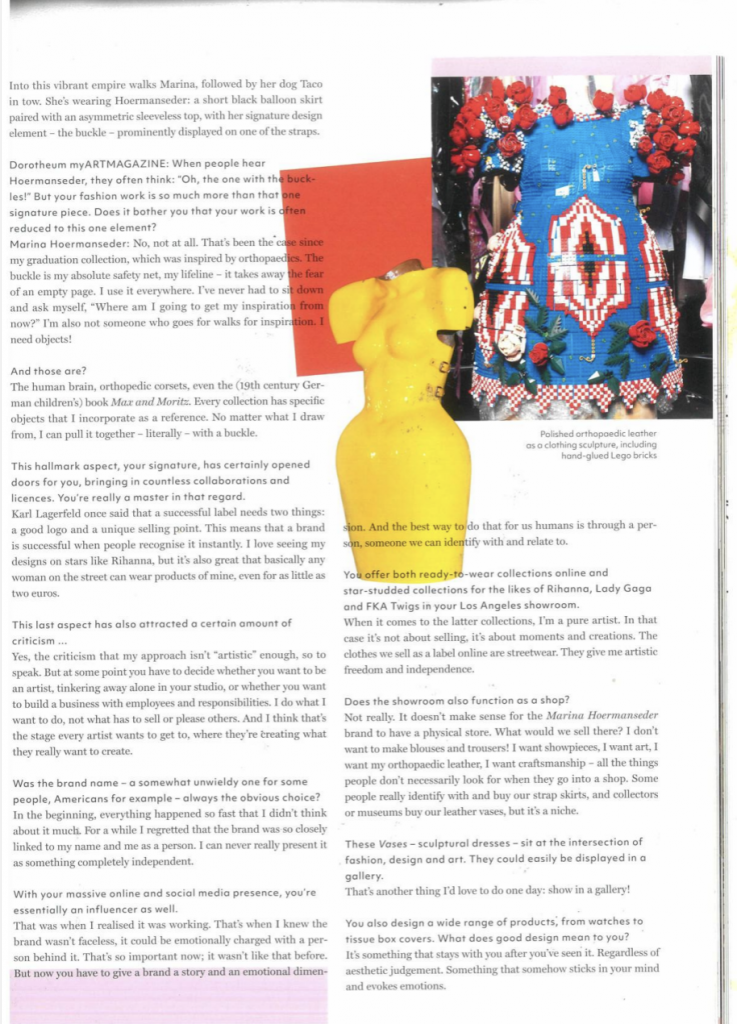
    While I was walking through the library at CSM, I came across this magazine, and its very interesting cover intrigued me enough to look inside and see what it was about. When I was going through it I saw that there was an article about this specific idea and I thought it was very interesting visually just because of the fact that it shows different types of bodies as an armor one can wear and it is not just the traditional thin body or corset to alter the body and look in a different way but it is actually all different types of bodies and shapes and that really made me think about the way that body image and the body is being viewed now. This article features Marina Hoermanseder, a fashion designer based in Berlin, and shows how she works, mostly through maximalism and drawing on her own idea of collecting different trinkets. The work is done on torsos and vases, and it is made from garment structures, with many unconventional materials used; for example, some are covered in Legos and stuffed animals, while others are more conventional, such as Swarovski crystals. She is known for her fashion, which features buckles, and that is one of the things she is known for. For a fashion line to be known for a specific moment or situation, she says the buckle is what makes her feel safe when she is doing something outside the box. Her inspiration is mostly from the human brain, orthopedic corsets, and even something as simple as a children’s book, but everything includes a buckle. Branding is successful when you recognize a brand the moment you see a garment. 

  • Tutorial June 8th

    During our tutorial this week, we discussed each of our progress during the week and also realized Diana’s working style, in that we should always bring something to show our tutor group and make some progress, as well as making sure that when we are meeting people, we must leave them with an impression. We first went over Nicole’s project about London and the different directions it could take; however, one thing I took away from this conversation is how people on the outside can destroy the project, which is an important point to look at. Also, the question of why is this important? Because it made me think about my own reasoning behind it and how people on the outside might view the project. Dernise has already experienced different pivots throughout her process, which started one way but has been evolving, and when she shared this, it made me think even more about how this master’s is a process and that everything won’t happen all at once. Regarding the feedback I received on my project, I need to further examine what I am researching and investigating, and the description of my question; I should have this ready by next week. Another thing I took from this specific tutorial is the fact that I have to make sure that I am mentally safe, having suffered through eating disorders myself as well as making sure that I can stay objective in some form. Even though I have a very large support group, I need to make sure that I will not put myself or others at risk.

  • CNN “The Ideal Woman”

    https://edition.cnn.com/2018/03/07/health/body-image-history-of-beauty-explainer-intl

    The idea of this article is to examine the ideal body of a woman and how this has changed over time, especially through history, art, and fashion, and to look at the different ideas surrounding body image, health, and culture nowadays. The article explores the social contract and its connection to the media and fashion, and examines how women in different eras felt extreme pressure to change their looks and fit into a standard. 

    Starting with prehistoric times in the 1800s, curvy was considered the ideal, as we see through art, for example, Venus and the way that she was seen as round and fertile; then the classic Baroque also had the same idea of the curvy ideal; however, there was an evolution with corsets and understructures, which was a sort of modification about how people looked. However, in the late 1800s and early 1900s, the idea was the “Gibson girl,” who was very tall and slim at the waist but still had curves. There is still the idea of the corset; however, it is more about bra support. Then in the 1920s- 1950s there was more of an idea of thinness but there is a rebound and change after this, this was the era of flappers and they were thin and there is a link with disordered eating rising in this era however in the 1940s-1950s the fuller body came back with one of the people who showed it the most being Marylin Monroe and in 1953 there is the start of the play boy magazine. In the 1960s-1970s there is a waif ascendant even though everyone is talking about freedom and there is the example of Twiggy which shows us the supper thin ideal and there is a Feminist move, there is the change from the idea of the corset and there is a movement to controlling the body through diet and exercise and there start to be more people with anorexia looking for hospital treatment. In the 1980s-1990s there was the idea of supper thin women with the raise in supermodels such as Cindy Crawford and then wanting to look lean and athletic but at the same time the early 90s there was more of a trend to the Kate Moss aesthetics which lead to a lot of peopled dying from anorexia and there is at the same time a largproblem with obesity considered by the world health organization and there was media about thin vs obes. In the 2000s, there started to be a concern around bodies, and more children started to feel insecure in their own bodies and started to do more diets as well as exercising for weight loss. There was a large number of children under the age of 12 that underwent treatment. Lastly, in the 2010s, there was a new idea about diversity when there is a movement on social media that talks about body positivity, and one of the greatest changes we could see was how there started to be a use of plus size models and there being more size inclusion in the fashion industry and even in the toy industry with barbies forming in different shapes and not just colors. There was also the growth of the selfie culture, caused by the Kardashians, leading people to look differently. 

    this is soothing we can see in different ways especially in museums and galerries that talk about our cultures obsession with bodies and size, also looking at how fashion relies on body modification such as corsets and undergarments and this is something we still see today in different ways aswell as there being a change in both diet and exercise, there have been changes when it comes to people talking positively about extreme thinness and speaking negatively about obesity and vise versa, this makes youth very vulnerable because they start to internalize different ideas about body images and this leads to low selfesteen which then leads to disordered eating symptoms ptoms. What we can see as a whole is how body ideals are evolving just as everyones body does aswell and there are a lot of changes because of also looking at the fashion industry and the media we see everyday and this can lead to a lot of difficulties with mental health and there needs to be a change in how we see body culture since it is important to understand it is always evolving and it is impossible to stay the same. 

  • “Stylist” Magazine

    https://www.stylist.co.uk/entertainment/film/anne-hathaway-models-thinness-devil-wears-prada-2/1070244

    Anne Hathway who was just a star in the movie The Devil Wears Prada 2 tried to take a stand by asking the producers of the movie to not show or film skeletal or alarmingly thin models during one of the scenes in the movie which took place In Milan fashion week, Meryl Streep her co star said Anne Hathway talked about her concern and wanted to be promised that there would not be a large showcase of extreme thinness during the film. this is something that is relevant because in the original movie which was filmed in 2006 there was the idea of thin and extreme diet culture and there were a lot of fat phobic comments during the movie as-well as a glorification of thinness which showed a large amount of disordered eating patterns such as when she was fat shamed because of her body during the film an called a size 6 and that she had let herself go, aswell as another character Emily starving herself and only eating a cheese cube when she felt as if she was going to faint which really showed the normalization of the pursuit of thinness and how no matter what it should beacomplohed and today we are seeing how this is a trend that is returning as people who were known for their curves such as the Kardashians have lost a large amount of weight and are now participating on this trend. The idea Hathaway was trying to convey is to avoid the normalization of this again and to encourage a change in how these diet trends are seen. She really wanted there to be all kinds of bodies on screen and is aware of the pushback against this, not just in the industry but also from the public. What we can see from this is that she does not want to go backwards and wants people to realize how problematic this diets and the way we talk about bodies is because even thought he cheese cube might have been a joke in the last movie I think back on it and if I was a teenager that was going through eating struggles such as I did I would have tried the cheese cube diet and that cannot be healthy and in this film we saw the different relationship to food being portrayed.

  • “CROSS-CULTURAL-GENERATIONAL PERCEPTIONS OF IDEAL BODY IMAGE: HISPANIC WOMEN AND MAGAZINE STANDARDS”

    I am interested in how different cultures define the ideal body, as even within my country, body ideals vary—people on the coast prefer curvier women, while in the center, thinness is valued. This observation led me to seek research on these differences, particularly among Hispanic women, to see whether my own experiences or those of people I know align with academic findings. 

    What they were trying to do in this analysis was look at two different age groups of Latina women to see how they view magazine body ideals and how they compare themselves, and to examine how culture, upbringing, and language might make this difference between these women. 

    The two groups used were Gen X, who range from 18-35, and Baby Boomers, who are 36-59; most of these women lived in Florida, United States. They were both women who had immigrated as well as first-generation women born into different Latina families, including Cuban, Mexican, Puerto Rican, and Colombian. What they did was use the reactions they got from these women across 7 different magazines, with diversity in sizing, including very thin girls as well as curvier women, and then looked at all their reactions. 

    The purpose of this research was to explore different ideas, attitudes, and values regarding weight or appearance by examining magazine content. The research used the social comparison theory, which means people compare themselves and their bodies to media ideals found in these magazines. It also looked at how the women talk about their bodies and the vocabulary they use, such as ectomorph (thin), mesomorph (muscular and toned), and endomorph (larger or rounder). 

    One of the biggest things they were able to do during this investigation was to show that magazines were used as a body standard by both generations; they both realized that there is a promotion of thinness and social ideals, and most of them compare themselves to the images they see. Baby boomers, however, are more Likely to say that it is unrealistic but still think it is the standard that should be seen. 

    Because of their different ages there is different behavior they participate in for example Gen X think that being thin is something so important that they want to achieve it at all cost and it is seen through a lot of food restriction, laxatives, vomiting and a large amount of exercise and when they are asked what their ideal is they express that it is thin and toned images and they see larger bodies as being socially unacceptable when put into regular fashion magazines, they also have different motivations to look a certain way and most of them said it was attracting a partner and being competitive in the job market. However, baby boomers have a greater focus on health and well-being rather than being overly thin at all costs; they have different priorities, including family, career, and personal growth. However, if they have a preference, they prefer to be leaner and thinner but have less of a drive to make it happen, and they have slightly more tolerance for larger or curvier bodies. 

    When it comes to culture and language, there is a cultural split not only in how different women view it but in the language itself because when it comes to English magazines, there is more of the anorexic like ideal, and when there are Spanish magazines, there are more curves and more voluminous bodies, and they really talk about health in their magazines. Gen Z women prefer reading English magazines, which leads them to look at thinner examples and idealize that body shape. However, there is a lot of this coming from their mother since they say different things that might contradict each other; for example, there is pressure to be thin and their families wanting them to be thin, but there is the culture of hosting and cooking at eating which makes it different. 

    Some of the patterns that can be analyzed through this include the assimilation of standards across generations, how they are followed, and what is communicated from mother to daughter. One thing that is clear from reading all of this is that women who read English magazines assimilate with their ideal bodies being thin; however, there is more of a cultural acceptance with Latinas around curves and food traditions. In Colombia, body standards seem impossible to satisfy—when I was overweight, I was criticized, but after losing weight, I was still told I was too thin. This ongoing dissatisfaction shows the challenge of meeting contradictory standards. Ultimately, it highlights the need for women to focus on internal acceptance rather than external approval.
  • Body Image and Body Shape Ideals in Magazines: Exposure, Awareness, and Internalization

    This was a research paper written in 1997, which might be from a different time but could still be useful for finding more information. What they really wanted to do was conduct a test to see the most predictable way to view college women and their issues with food; they looked at magazine exposure, awareness of appearance ideals, and the internalization of ideas put out by the media. The participants in this study were 175 college women aged 18 to 49. 

    They measured this through exposure to popular magazines and the number of different body types in the images they presented. They realized that there is a lot of body dissatisfaction and a drive for thinness, as well as some behaviors having to do with bulimia; it is also clear that because of this, there is also lower self-esteem. 

    What they saw was that, even with just exposure, there are few links to body dissatisfaction, eating symptoms, and lower self-esteem. The awareness saw some problems, but not very deep ones, and internalization was found to be the stronger predictor because of how they start to look at their bodies. 

    This leads to greater risk because these women start to believe this is actually the ideal, and it becomes their reality. This leads to a new way of cognitive reconstruction and to different appearance beliefs further. 

    This investigation, however, has one large limitation: the investigation pool is somewhat limited to a precise group of women who are all in the same environment because they all attend the same university. 

    This really shows me that it is not just the exposure, but also the way our brain actually takes it in and thinks about it in different ways. I think it is important to look at the fact that it is more than just the story we are told; it is also our relationship to that story. 

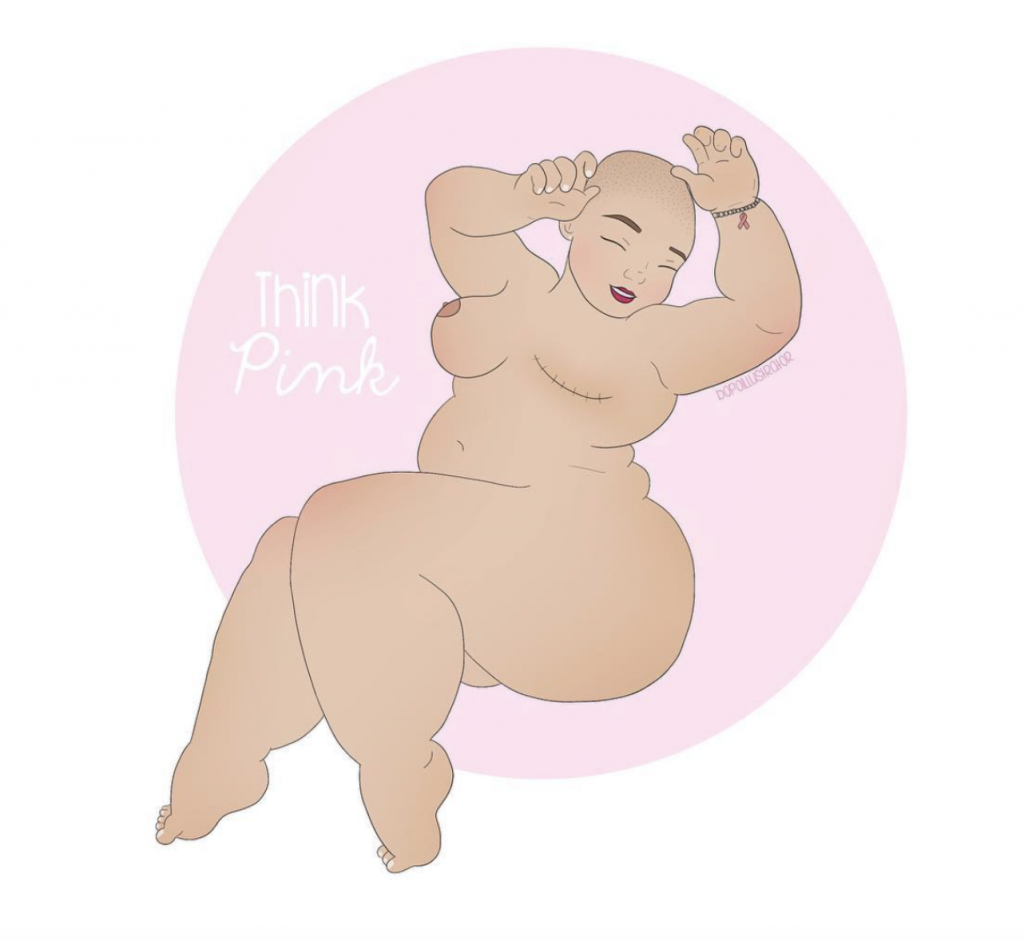
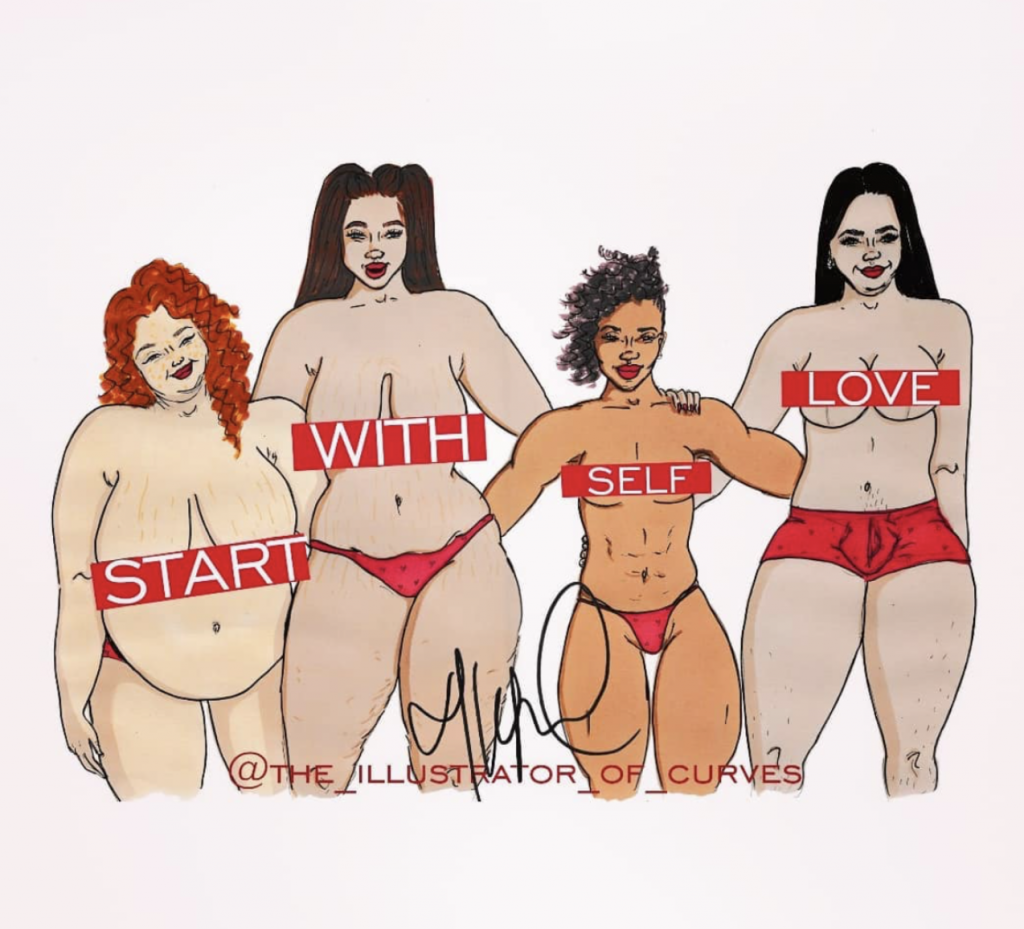
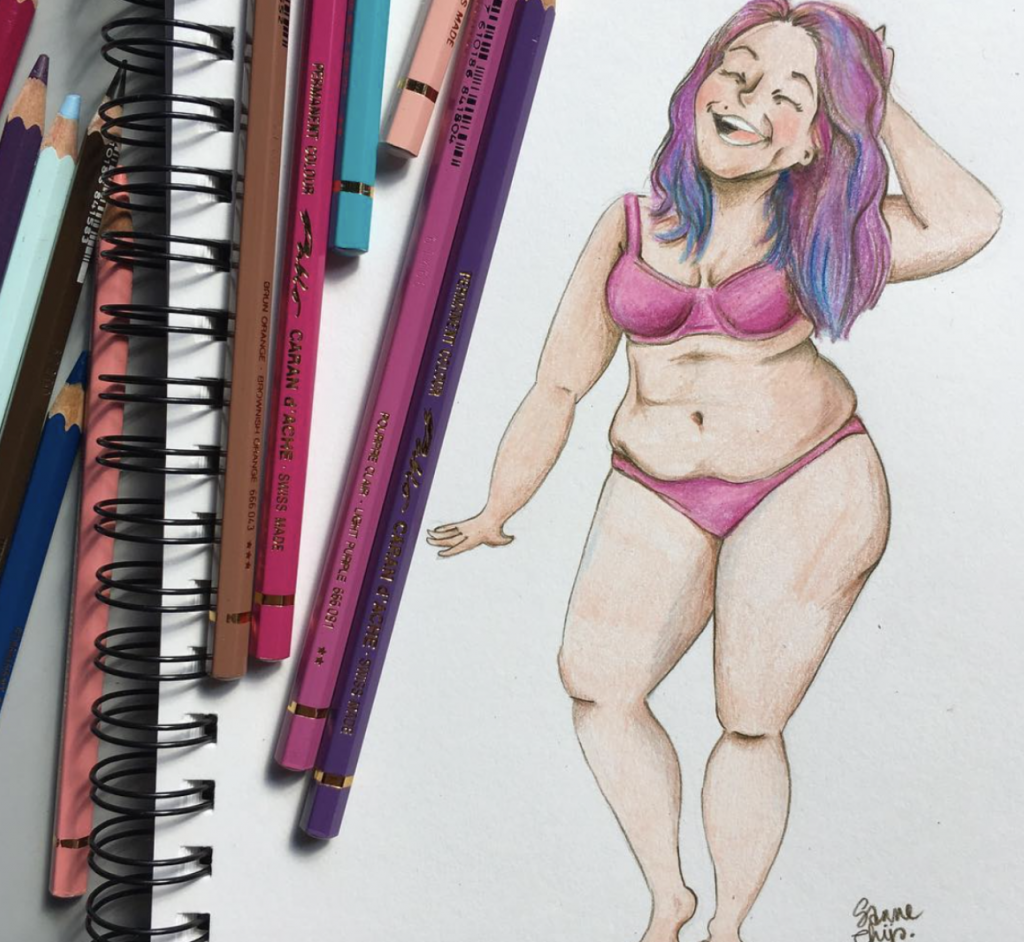
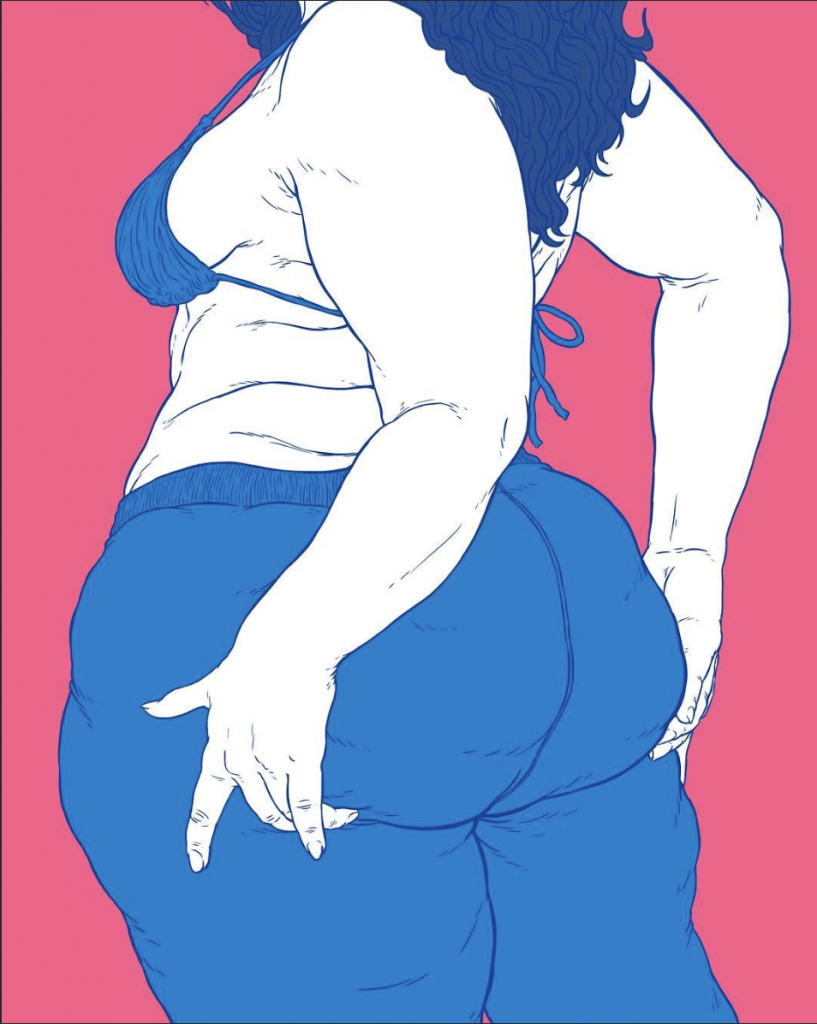
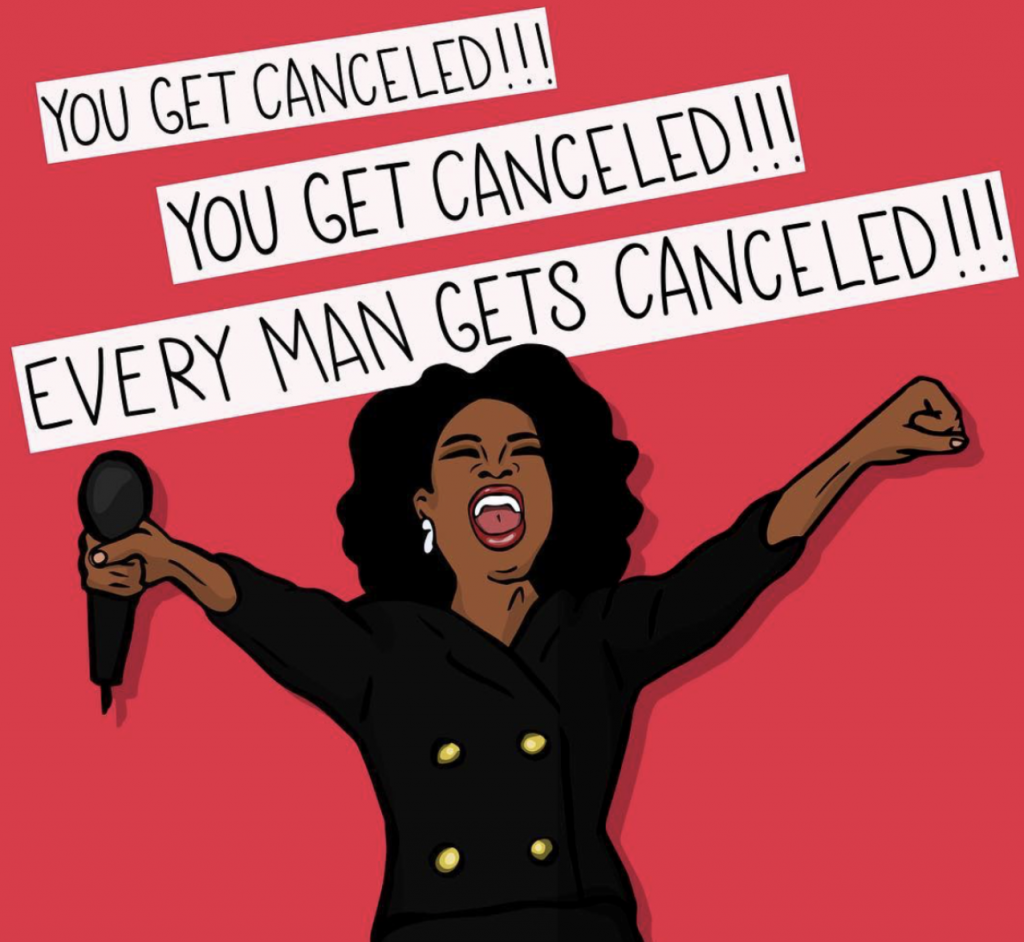
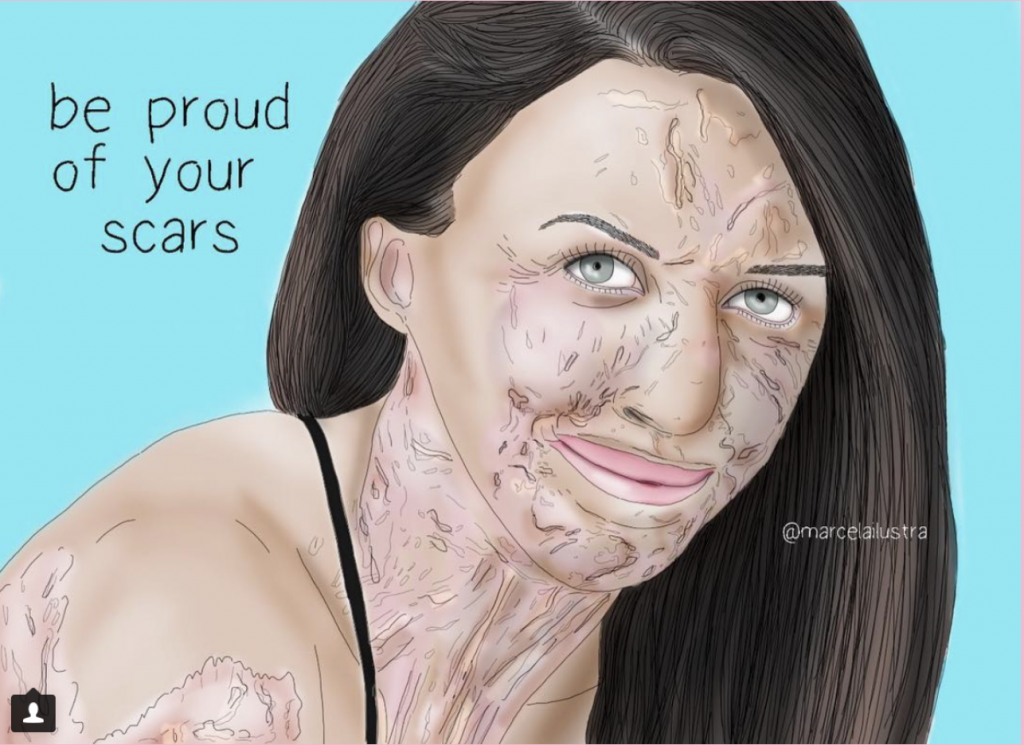
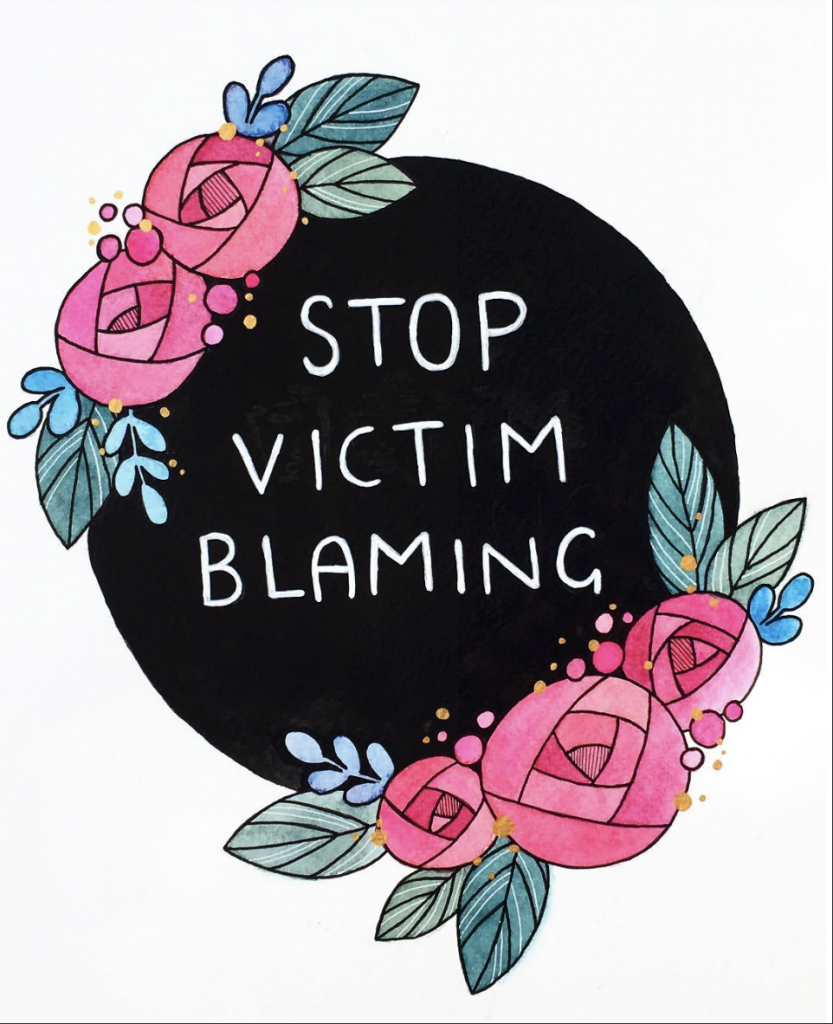
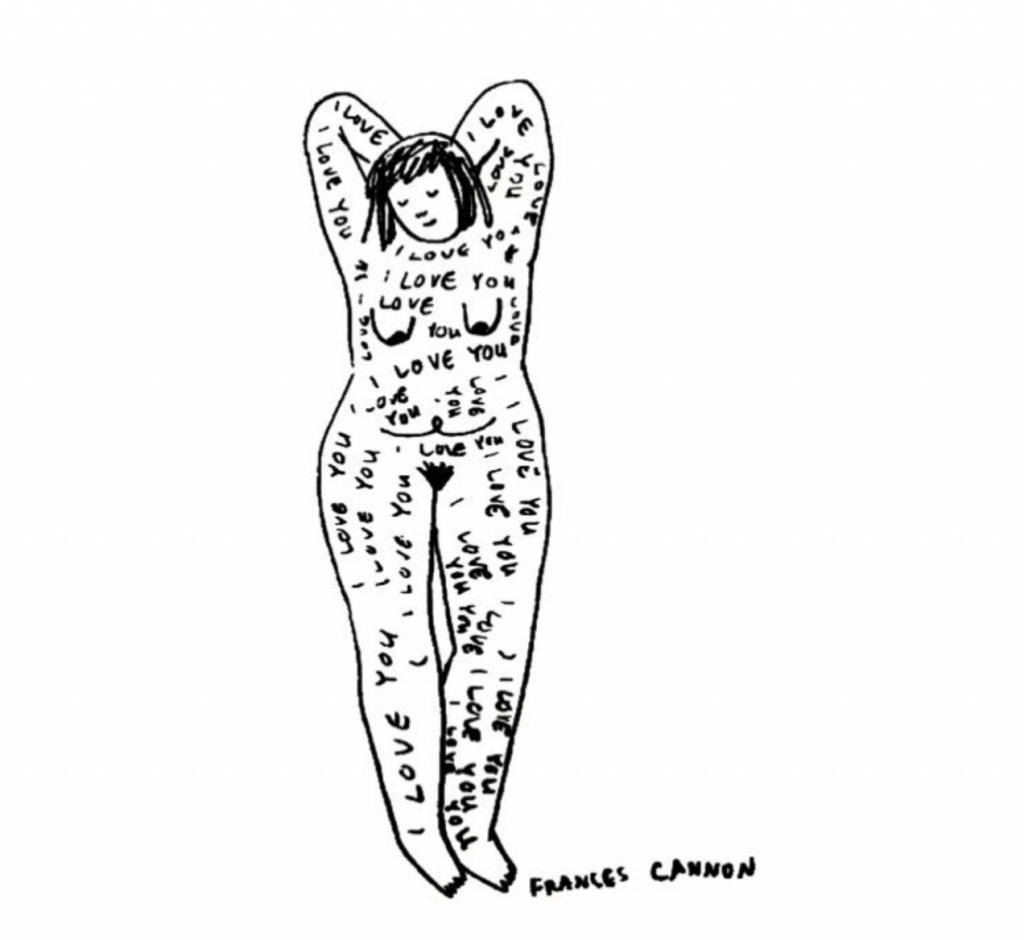
  • “The Unedited.”- Body Positive illustrators

    https://www.the-unedit.com/posts/2018/2/16/16-body-positive-feminist-illustrators-you-need-to-check-out-if-you-havent-already

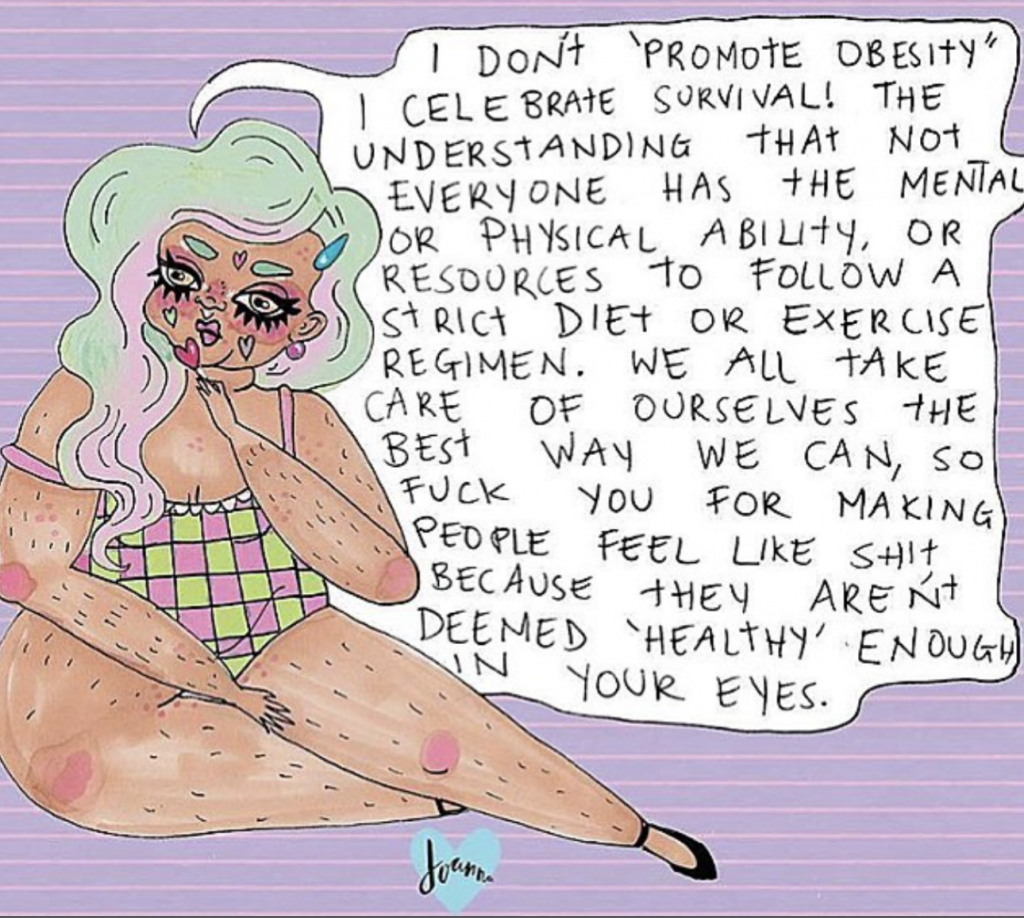
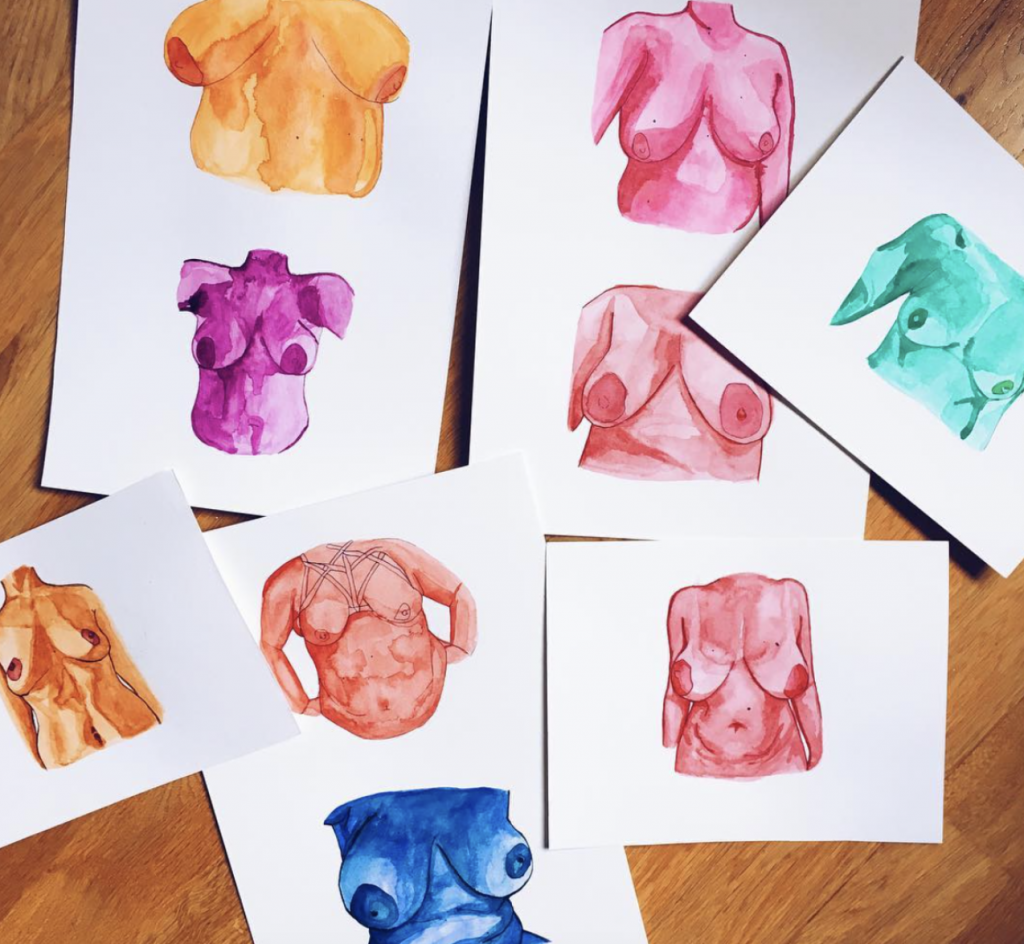
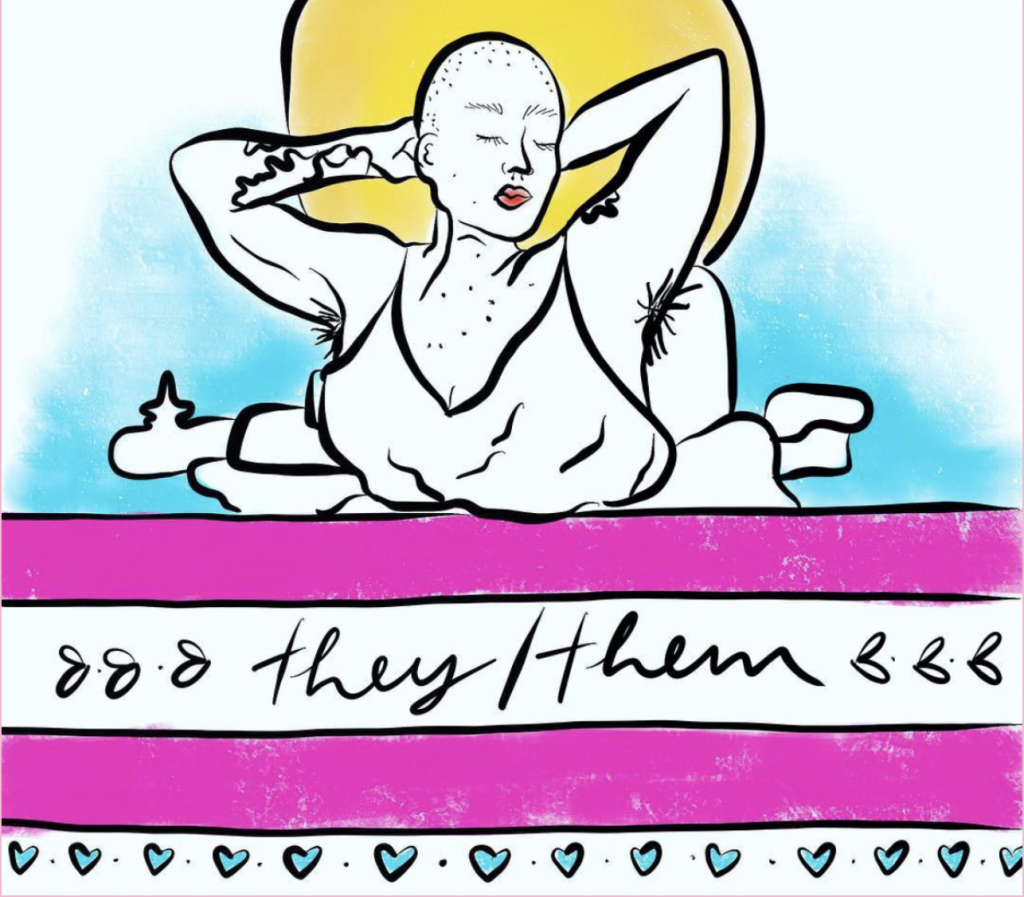
    • What this resource has done is show me different illustrators that work with positive body image and I can look into them and try to contact them, their names are:

    Joanna Thangiah – @joannathangiah

    Jovanna Radic Eriksson – @drawnbyjovanna

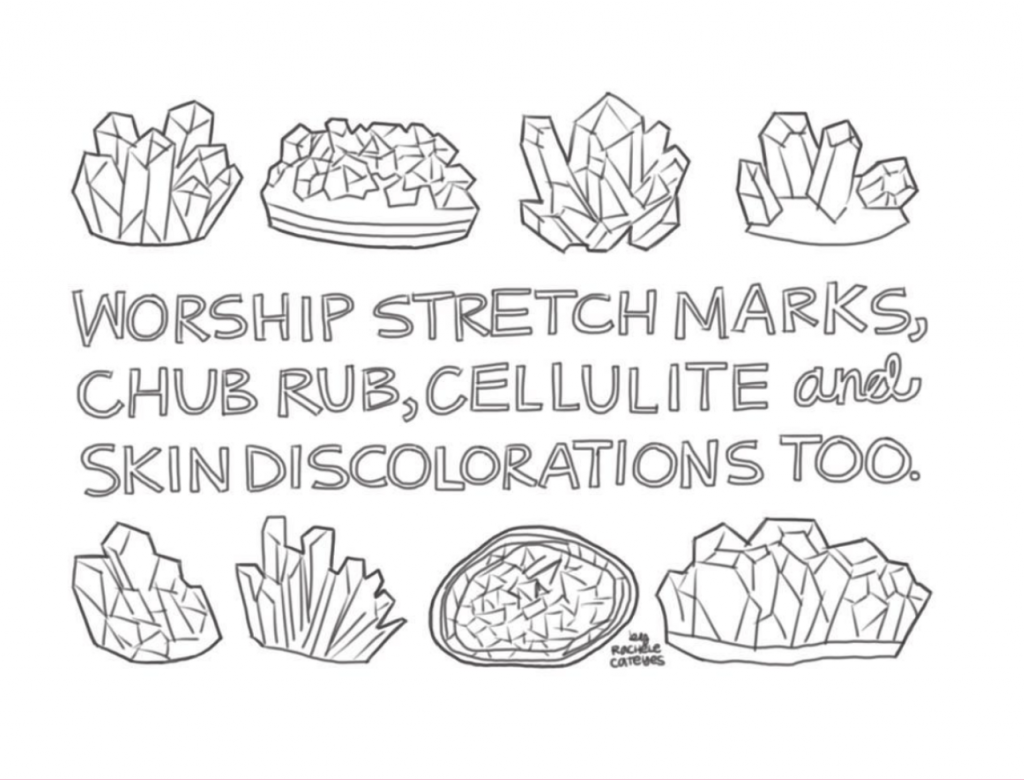
    Rachele Cateyes – @radfatvegan

    Ruby Allegra – @rvbytheartist

    Kayley Mills – @kayleymills

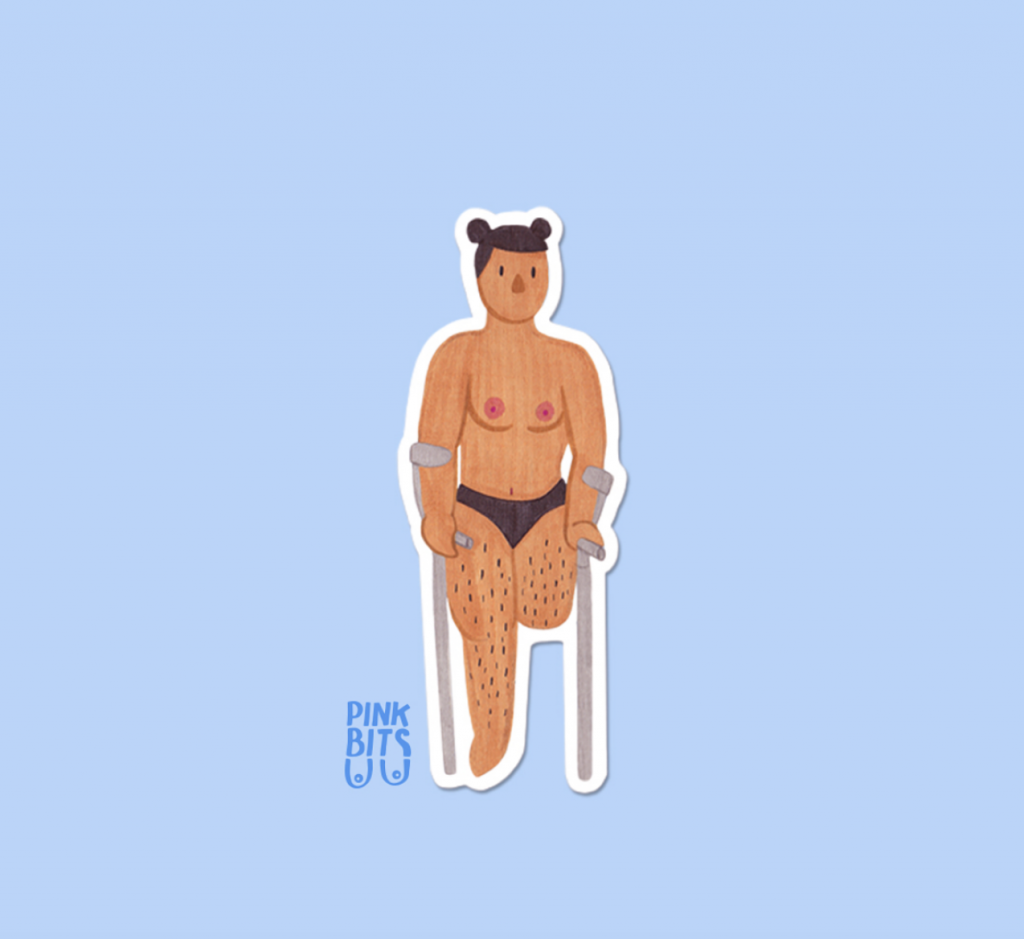
    Pink Bits – @pink_bits

    Wendy Park – @wendy.hearts

    Kelly Bastow – @moosefleenex

    Paola Zuccaro – @bopoillustrator

    The Illustrator of curves – @the_illustrator_of_curves

    Sanne Thijs – @full_of_freckles_illustrations

    Bloozchicken – @bloozchicken

    Mary Purdie – @drawnbymary

    Marcela Sabia – @marcelailustra

    Maxine Sara – @maxine.sarah.art

    Frances Cannon – @frances_cannon

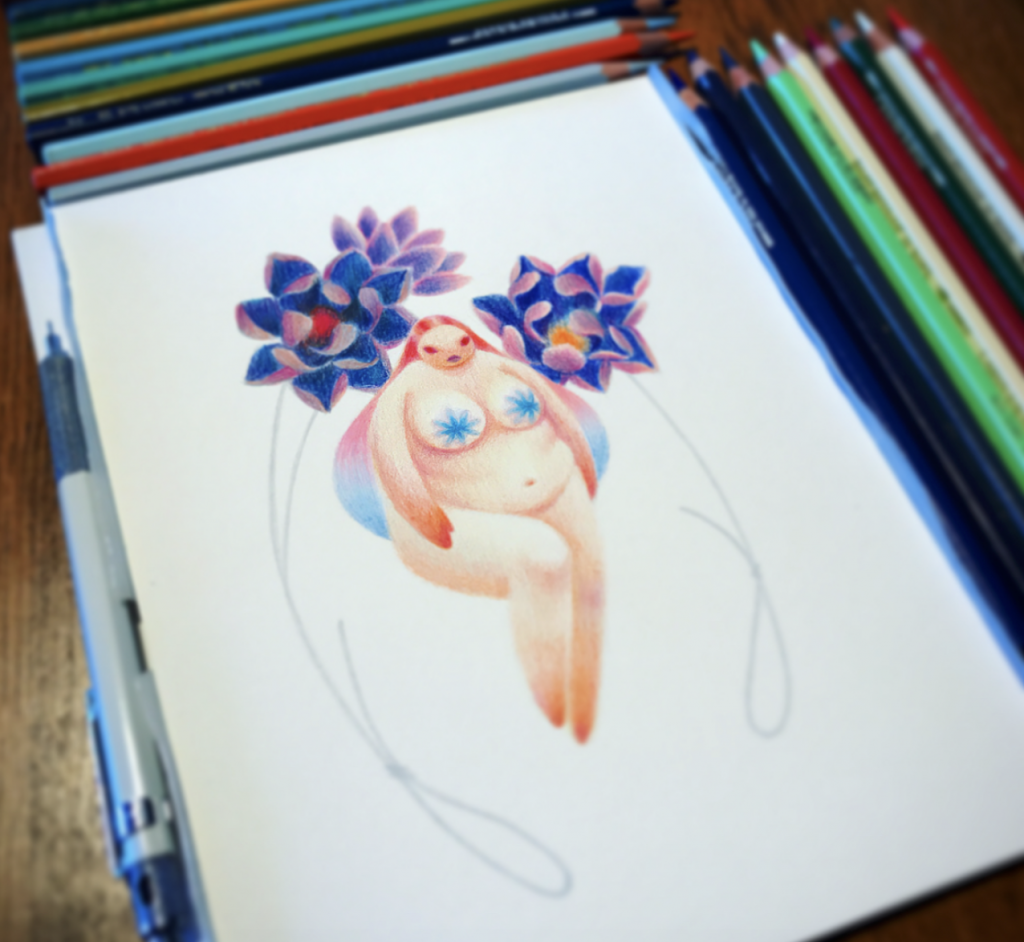
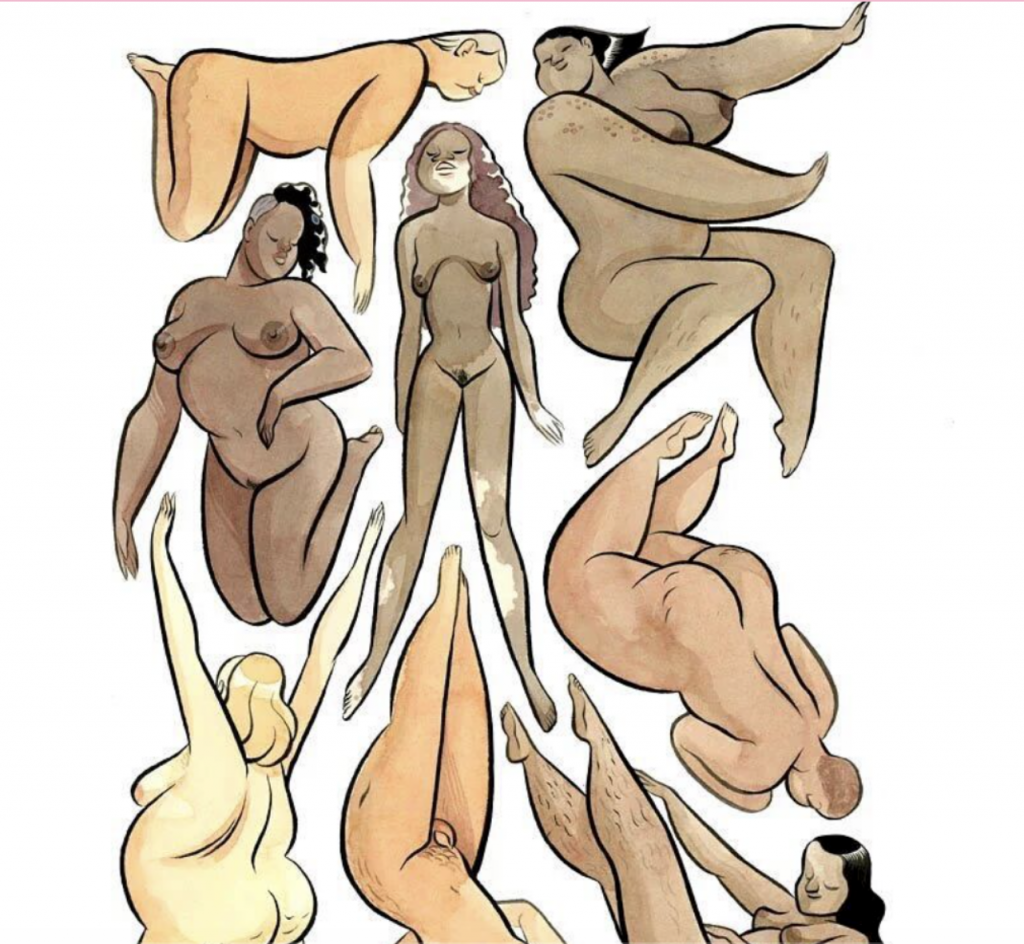
    • What most of this represent are a lot of inclusion and body diversity and there is a large femininity message about self love and acceptance.
    • I will look at some of this artists and see in which way I can learn from them as well as seeing if I could possibly speak to some of them and the main question I would have is what the inspiration is for them to do this work and how do they handle the backlash that comes with it?

  • Gender, Body Image, Sexuality & Race on the Cover Pages of Men’s and Women’s Popular

    Magazines: A Comparative Analysis

    • During this study, they looked at 10 magazines in total: 5 which are targeted towards women and 5 towards men. This is a little old study because it was from November to December of 2006. They analyzed the covers of all these magazines and wanted to see how gender, body image, sexuality, and race are portrayed in popular media. 
    • One of the main things this investigation found was that when it comes to racial diversity, there were only 2 magazines where there were people on the cover that were not white, which led to the conclusion that whiteness was the standard or expected.
    • There is also the way gender roles are portrayed, such as women being seen as decorations and put in positions that please the reader; a strong emphasis on beauty and perfection, with a sense of grooming; and, at times, direct eye contact. Men are seen in a more active, dominant, confident, and masculine way, and they often do not make eye contact with the camera. 
    • There was also the issue of sexuality, and straight people are assumed or portrayed in all of the magazines. Women were shown as sexual objects and are there to please men; a lot of sexualized headlines in different magazines. 
    • There are body image ideals depending on the gender; women are seen as being very thin and toned abs, looking like a standard model, and having their makeup, hair, and grooming done as well. For men, they are seen as masculine, with a lot of muscle and “buff” bodies. There was also a large amount of body modification with doing or representing diets such as keto or the master challenge, etc.
    • In women’s magazines, there were more sexual phrases instead of in men’s, but they both talk about bodies and have gender stereotypes between most of them.
    • When it comes to female magazines, they look more at traditional beauty standards, and there is a direct link with body dissatisfaction and eating habits, and men really are focused on muscle and getting larger. In general, there is very little diversity among the men and women shown. 
    • I read this paper, but I don’t think it is one of the sources I want to look more closely at because it feels as if it is a bit general and does not have a lot of depth and testing, and I want to look at information where I might have more updated information since this was based on 20 years ago. However, it does reinforce information I already thought I knew.
  • “For Your Health? The Relationship Between Magazine Reading and Adolescents’ Body Image and Eating Disturbances”

    • Female adolescents are more likely to suffer from body image struggles than male adolescents. However, men have issues with their masculinity. (perfect sports bodies) 
    • Fashion, sport, and health magazines in relation to body image were found to be important predictors of body image and eating disorder struggles. 
    • Boys start taking steroids and other pills in order to get more muscular, which leads to irreparable damage to their bodies. However, girls vomit, use laxatives, and stop eating, which can also be a huge issue.
      • Around 4-12% of boys in high school use some sort of steroids. This is a similar number for anorexic and bulimic girls.
      • (BIED) Body image and eating disturbances. Which can lead to eating disorder trends.
    • What this article or journal is trying to look into is the correlation between teenagers reading fashion and sports magazines and their body image or disordered eating directly because of this, especially when it comes to boys and the idea that they need an insane amount of muscle. 
    • The people who took part in this study are around 400 high school and college students, and they decided to do it on both boys and girls equally. 
    • The idea that they are trying to look at is the fact that it is not just the fact that this is something this demographic is reading, but how much do they actually think about it and how important it is in their daily lives. 
    • What they tried to measure was the amount of time that these people were taking reading these magazines and which type of them they were because there was fashion, sports, health and fitness, and I think this is important to realize because sometimes we treat health and wellness as a trend and not a lifestyle, and this is where a lot of issues surrounding this problem happen. 
    • They also look at the different ways in which processing happens here because they look at social comparison, the way they critically think about their body image, and the idea of not noticing their own bodies or maybe not even wanting to live in them because of the rejection that comes with their bodies. 
    • What they started to realize was the amount of problems that can be seen because of all the above factors, such as there being large body dissatisfaction, how important and how much time goes into being thin, anorexic behaviors, bulimic behaviors, and the amount of muscle boys want to have. (Boys take this to extremes because they take medicines such as steroids in order to be stronger, but I guess the same can be said for girls because a lot of them today have started taking Ozempic, which, if not used properly, can be just as harmful). 
    • One of the main things they were able to realize is the fact that girls read more fashion and health and fitness magazines and felt more comparison in their own bodies to the people in the magazines and indicators of disordered eating, such as trends or habits such as anorexic and bulimic tendencies. Boys read more sports magazines, and they have more satisfaction with their own bodies . 
    • The different types of magazines they read had a direct correlation to the issues the people showed; health and fitness affected girls in the way that they wanted to reach extreme thinness and had more anorexic behaviors such as trying to fast for large amounts of time and using appetite suppressants, as well as bulimic behaviors: binging, purging, and laxatives. (I find this very interesting because if they are reading these magazines I would assume that they are looking to be healthy or this is what it would promote but clearly it is achieving the exact opposite of what they are trying to do, why is this?), Boys only looked at it as wanting to build more muscle and wanting to look larger and started taking supplements and more protein to try and achieve this. 
    • When it comes to fashion magazines, girls could be seen to have more of a correlation with bulimic habits, and boys are seen to have less body satisfaction and lower muscle. 
    • Sports magazines lead to girls wanting to gain more muscle and be healthier, which is somewhat achieving the goal, and Boys had no effect in the research that was shown. 
    • There are a lot of social comparisons, and this affects both boys and girls in very different ways; girls lead to having more anorexic and bulimic behaviors and really want to become thinner and have a very low body satisfaction with themselves. However, boys want to become more masculine and act as such, and want to become thinner as well and also have more anorexic and bulimic tendencies. (Something that I believe is very important to note is the fact that these types of eating disorders do not just happen to girls but also to boys, and at times when they are losing weight or have disordered eating, it is passed by or not given enough attention). 
    • There are also some effects that come from the interactions that might be going on when it comes to girls. They compare themselves a lot, especially when it comes to fashion magazines, and this affects more girls than boys. (This is probably because women and men in magazines are shown in very different ways and with very different characteristics). Boys are more likely to compare themselves to sports magazines, which makes them feel less happy with their bodies; however, many boys don’t pay much attention to this and actually feel more secure about it.
    • There are three types of issues that can be seen in how these people process their bodies, and it starts off as some of them only thinking about how unrealistic the bodies they want are, and they have to keep their attention always on their bodies. When they process their information and are focused on the articles and the facts, they tend to have fewer issues having to do with anorexia and bulimia and have more satisfaction when it comes to their bodies; they are not just looking at the images, but they are also paying attention to the content. The ones with the best relationships with their bodies are the ones who do not notice their bodies at all, and they have less disordered eating and are less focused on their bodies as a whole. 
    • While I was reading all of this article I was able to see the way that there are so many outside things that are affecting young peoples body image but one question I ask myself is, Why were this the bodies that started to be showed in the media?

  • Building a Network Interviews, the process and challenges

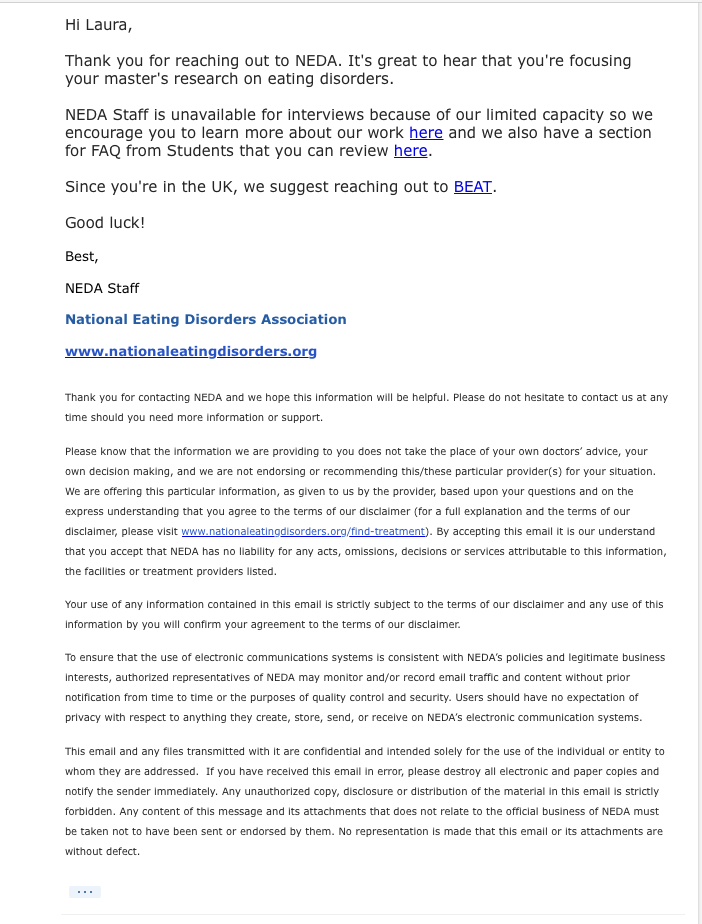
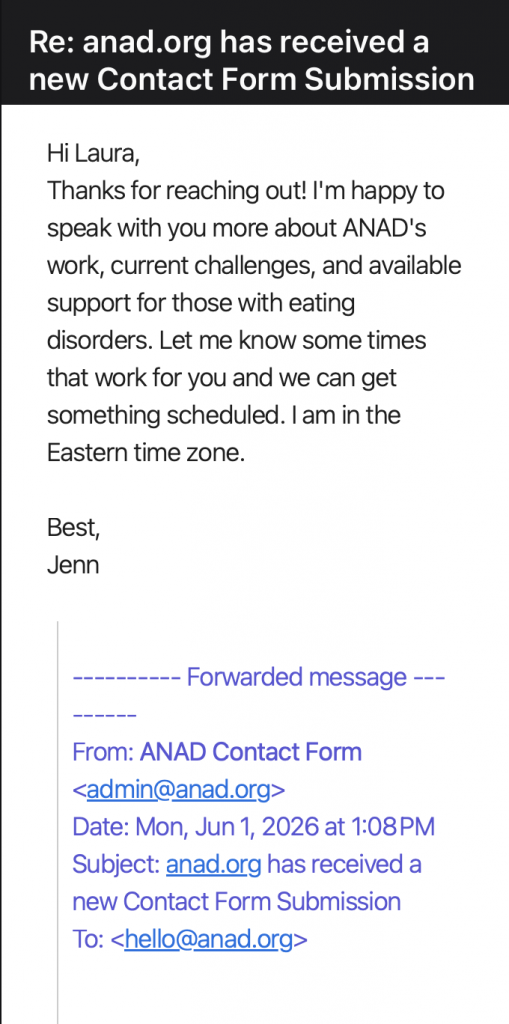
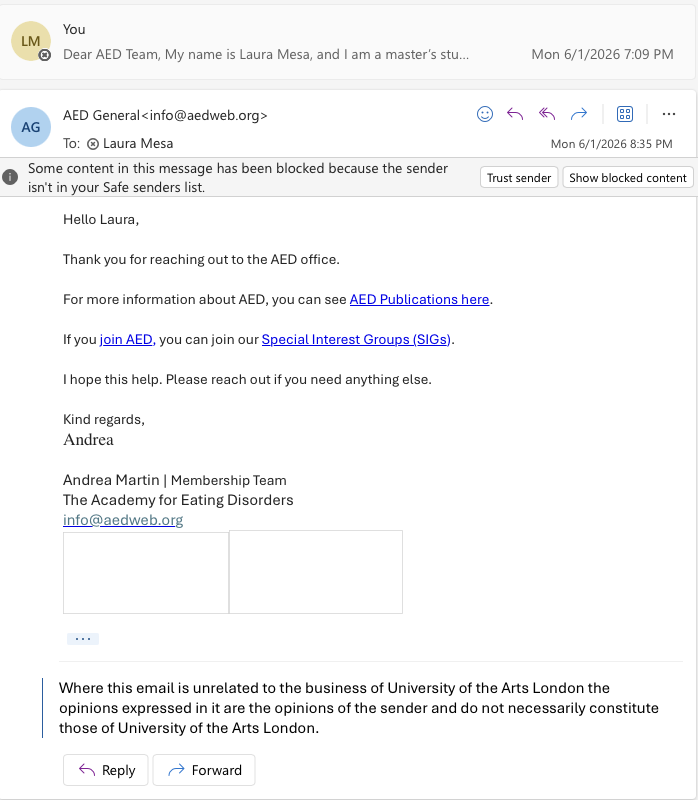
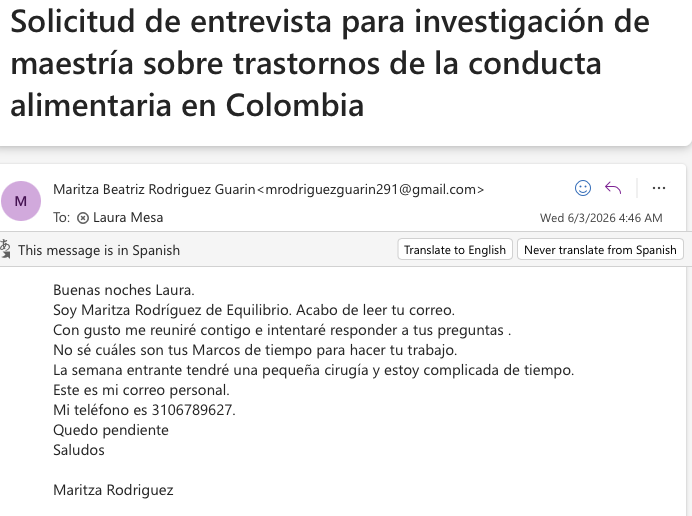
    After my tutorial this week I realized I needed to get my brain into doing more networking and started to reach out to organizations that work both with eating disorders and body image and there have been mixed responses but I was happy to get responses either way, First of I was careful to respond everyone who reached out to me even if it was to tell me that they could not help me but I wanted to say thank you for the time they even took the time to respond to me instead of just ghosting me however I have gotten two responses about the possibility of meeting. I have a couple of organizations from the USA, the UK, and Colombia, and hope to have a time we can meet by the end of this week or the beginning of next. Even though it was hard to put myself out there with these organizations, it is important to do it, and it is a part of the process that needs to be followed. I hope to get a couple more interviews and learn what the prescription for the inside looks like for these issues.